
In 2026, the importance of designing user-centric websites has become paramount. User-centric design focuses on creating websites that prioritize the needs, preferences, and behaviors of users, ensuring an optimal experience that fosters engagement and satisfaction. As digital landscapes evolve rapidly, businesses are increasingly recognizing the critical role of user-centric design in achieving success online. Designing user-centric websites not only enhances user experience but also significantly impacts conversion rates, making it a strategic necessity for businesses looking to thrive in today’s competitive environment.
Last updated: April 2026
Principles of User-Centric Design
At the heart of user-centric design lie the principles of usability, accessibility, and responsiveness. Usability ensures that websites are intuitive and easy to navigate, allowing users to achieve their goals efficiently. Accessibility makes websites usable for individuals with disabilities, broadening the audience and complying with legal standards. Responsiveness ensures that websites function seamlessly across various devices and screen sizes, catering to the growing number of mobile users.
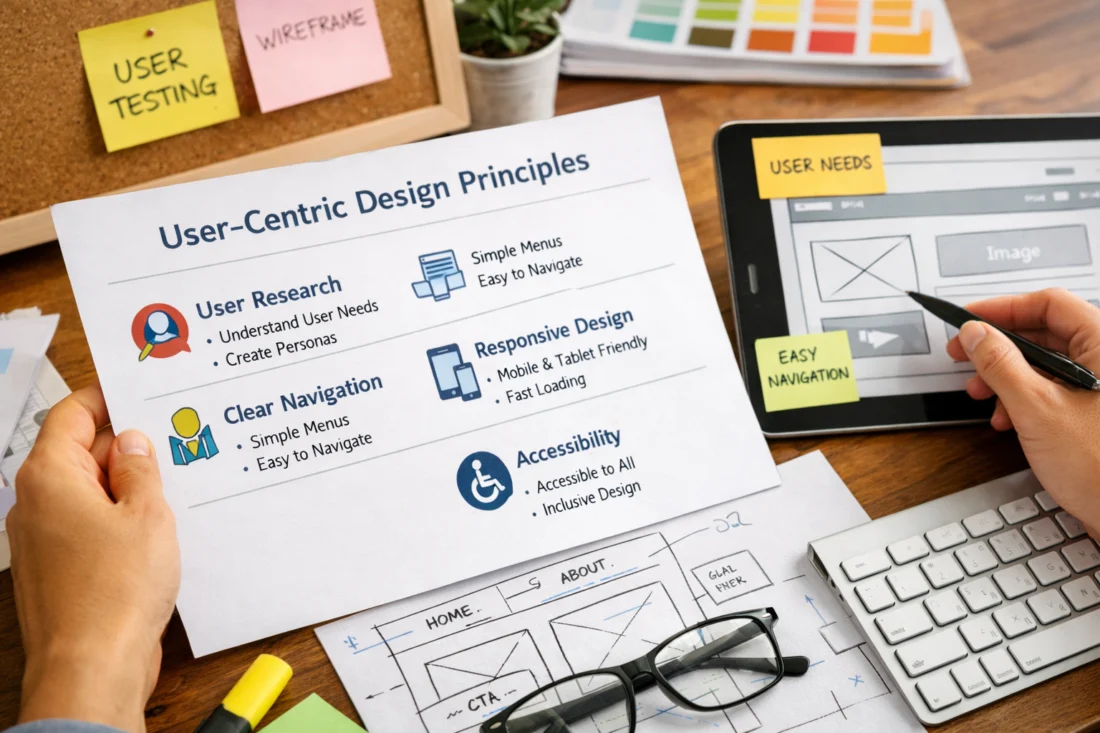
User feedback is crucial in the design process, providing insights into user preferences and pain points. This feedback loop enables designers to make informed decisions that enhance the user experience. Empathy plays a significant role in understanding user needs, allowing designers to create solutions that truly resonate with their audience. Furthermore, cultural differences can impact user-centric design, requiring designers to consider localization and cultural nuances to ensure websites are relevant and effective in different regions.
How to Design a User-Centric Website
The process of designing a user-centric website involves several key stages: research, prototyping, testing, and iteration. Research helps identify user needs and preferences, forming the foundation for design decisions. Prototyping allows designers to create preliminary versions of the website, which can be tested and refined based on user feedback. Testing is essential to evaluate the effectiveness of design elements, ensuring they meet user expectations.
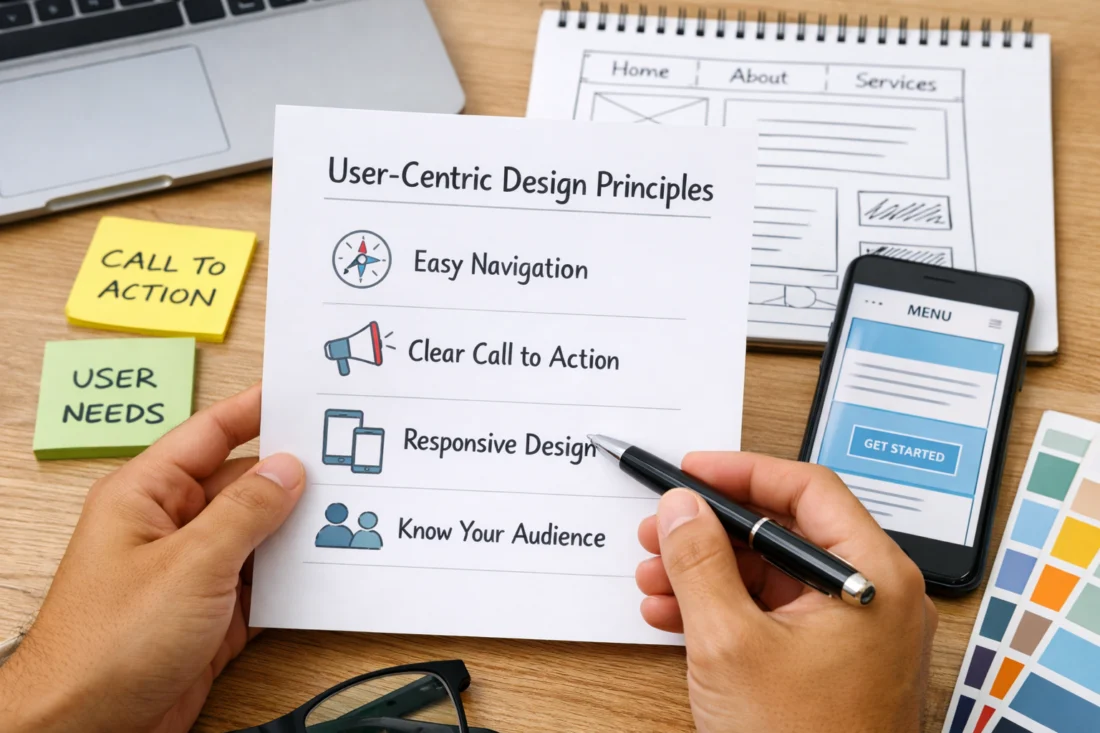
In designing user-centric websites, it is crucial to balance business goals with user needs. This involves making strategic decisions about which design elements to prioritize. For instance, while aesthetics are important, functionality should not be compromised. A strong website foundation is vital to ensure stability and scalability, supporting both user experience and business objectives.
Common Mistakes in Designing User-Centric Websites
A frequent oversight in web design is neglecting mobile users, highlighting the need for mobile-first strategies. As most people now access sites via their phones, ensuring effective navigation for mobile visitors is essential. Additionally, misunderstandings about user feedback can impede design improvements. Properly collecting and analyzing this feedback is crucial to understanding user needs and making informed design choices.
Overcomplicating navigation is a common mistake that can lead to a frustrating user experience. By adhering to essential design principles for newcomers, you can create simplified navigation that allows users to easily find the information they seek. Furthermore, focusing on fleeting trends instead of genuine user needs may result in temporary solutions that lack enduring value.

Comparing Design Approaches for User-Centric Websites
When it comes to designing user-centric websites, traditional and agile methodologies offer distinct approaches. Traditional design follows a linear process, while agile design embraces flexibility and iterative improvements. Each methodology has its benefits and limitations, impacting the overall design process and outcomes.
Design systems provide standardized guidelines and components, enhancing consistency and efficiency in the design process. However, they may limit creativity and adaptability. Whether to use in-house design teams or outsource to agencies depends on factors such as budget, expertise, and project scope. Both options have their pros and cons, influencing the quality and efficiency of the design process.
Advanced Considerations in User-Centric Design (Beyond Basics)
True inclusivity in accessibility goes beyond mere compliance with regulations. It involves creating experiences that cater to diverse user needs, ensuring no one is left behind. In 2026, AI and machine learning are transforming user-centric design by providing personalized experiences and data-driven insights.
Transform Your Website into a User Magnet
Is Your Website Designed for Users or Just for Looks?
Don't compromise on user experience. At eDesignerz, we specialize in creating user-centric websites that drive engagement and boost conversion rates. Let's discuss how we can help you prioritize your users and elevate your online presence.
Schedule Your Free Consultation29+ Years of Experience Personalized Service Satisfaction Guaranteed

Data privacy and ethical design considerations are increasingly important, as users demand transparency and control over their personal information. Post-launch user engagement is often overlooked, yet it is crucial for maintaining a user-centric approach. Continuous engagement allows designers to gather ongoing feedback, iterate on designs, and keep the website relevant and user-friendly.
USER-CENTRIC DESIGN. DRIVE BETTER ENGAGEMENT.
Transform your website into a user-centric powerhouse with bespoke design and development. At eDesignerz, we prioritize usability and accessibility to enhance user satisfaction and boost your conversion rates.
REQUEST A FREE CONSULTATIONTools and Resources for Designing User-Centric Websites
Several design tools are popular in 2026, offering features that support user-centric design. Tools like Figma and Sketch provide collaborative environments for creating and testing designs. Keeping up with user-centric design trends is essential, with resources like online courses and design blogs offering valuable insights.

User testing platforms, such as UserTesting and Optimal Workshop, provide a structured approach to gathering user feedback and insights. However, there is a tradeoff between the complexity of these tools and their ease of use. Selecting the right tool involves balancing functionality with usability, ensuring it meets the specific needs of the design team.
Frequently Asked Questions About Designing User-Centric Websites
What are the key elements of a user-centric website?
The key elements of a user-centric website include usability, accessibility, and responsiveness. These elements ensure that users can interact with the website easily, regardless of their abilities or the device they use.
How does user feedback influence website design?
User feedback plays a pivotal role in iterative design processes. It provides valuable insights into user preferences and pain points, allowing designers to make informed decisions that enhance the overall user experience.
What is the importance of accessibility in web design in 2026?
In 2026, accessibility in web design is crucial as it ensures inclusivity for all users, including those with disabilities. It broadens the audience reach and aligns with legal standards, making it a vital consideration for modern web design.
How can small businesses implement user-centric design affordably?
Small businesses can implement user-centric design by leveraging cost-effective tools and resources, such as open-source design software and online learning platforms. Prioritizing essential design elements that directly impact user experience can also help manage costs effectively.
What are the latest trends in user-centric website design?
The latest trends in user-centric website design showcase the importance of leveraging AI for personalization, adopting simple web design principles, and prioritizing data privacy. These developments reflect the evolving needs and expectations of users in 2026, emphasizing the necessity for clarity and functionality in digital spaces.
Are you ready to elevate your website's user experience? At eDesignerz, we specialize in creating fast, modern, and mobile-friendly designs that truly resonate with your audience. Let us help you turn visitors into loyal customers with a personalized consultation.
Get Your Free Website ConsultationIn conclusion, the principles of user-centric design are essential for creating websites that meet the evolving needs of users in 2026. Ongoing user engagement and feedback are critical for maintaining a user-centric approach, ensuring websites remain relevant and effective. As you evaluate your current design practices, consider consulting with design experts to gain personalized advice and explore further resources to start your redesign project.