

Animation in modern web design encompasses the strategic use of movement to enhance user experience and engagement. As we move into 2026, its significance is more pronounced than ever, with animations serving as a vital tool for storytelling, guiding user interactions, and creating immersive experiences. Successfully implementing animation in web design involves understanding user needs, selecting appropriate animation types, and balancing aesthetics with functionality. This article explores how to implement animation in modern web design, offering insights into best practices, common pitfalls, and future trends.
Last updated: April 2026
Contents
- 1 Understanding the Role of Animation in Modern Web Design
- 2 Steps to Implement Animation in Web Design Effectively
- 3 Common Mistakes in Implementing Animation and How to Avoid Them
- 4 Comparing Animation Techniques and Tools
- 5 Advanced Considerations for Web Animation in 2026
- 6 Frequently Asked Questions About Implementing Animation in Modern Web Design
Understanding the Role of Animation in Modern Web Design
Animation in web design serves multiple purposes, from enhancing user experience to guiding user actions and storytelling. When effectively integrated, animations can transform static web pages into dynamic, engaging experiences that captivate users. They can highlight important content, provide feedback, and direct users through complex processes, all of which contribute to a seamless user journey.
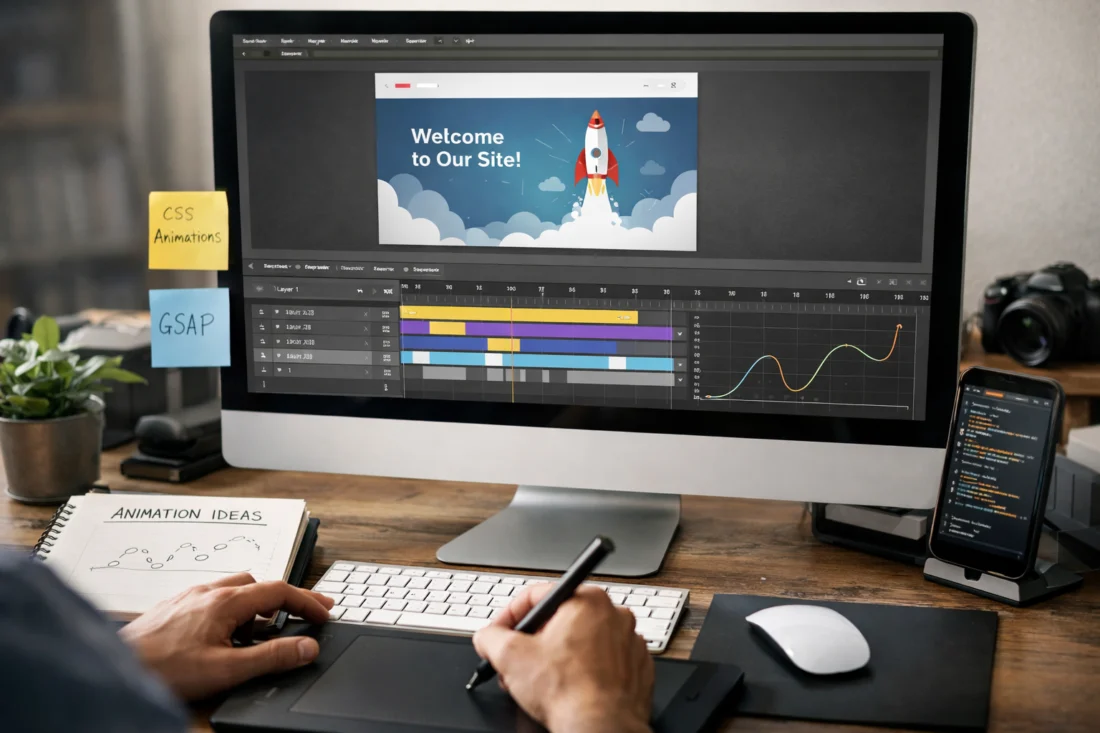
The psychological impact of animation on user engagement and retention is profound. Animations can evoke emotions, create memorable experiences, and encourage users to spend more time on a site. By tapping into these psychological triggers, designers can significantly boost user retention and satisfaction. However, it’s crucial to strike a balance between aesthetics and functionality to ensure that animations enhance rather than hinder user experience.
To create a more effective user experience, it's crucial to strike a balance between a website's visual attractiveness and its performance. Excessive or poorly executed animations can distract users and lead to frustration, highlighting the need for careful planning. When done right, animations can transform a website into a stunning digital experience that harmoniously blends aesthetics with functionality. For further insights on enhancing your site's usability, check out how to improve user experience design.
Steps to Implement Animation in Web Design Effectively
Implementing animation in web design begins with a thorough planning stage. This involves defining clear goals and understanding user needs to ensure that animations serve a purpose beyond mere decoration. By setting objectives, designers can select animation types that align with user interactions and enhance the overall experience.
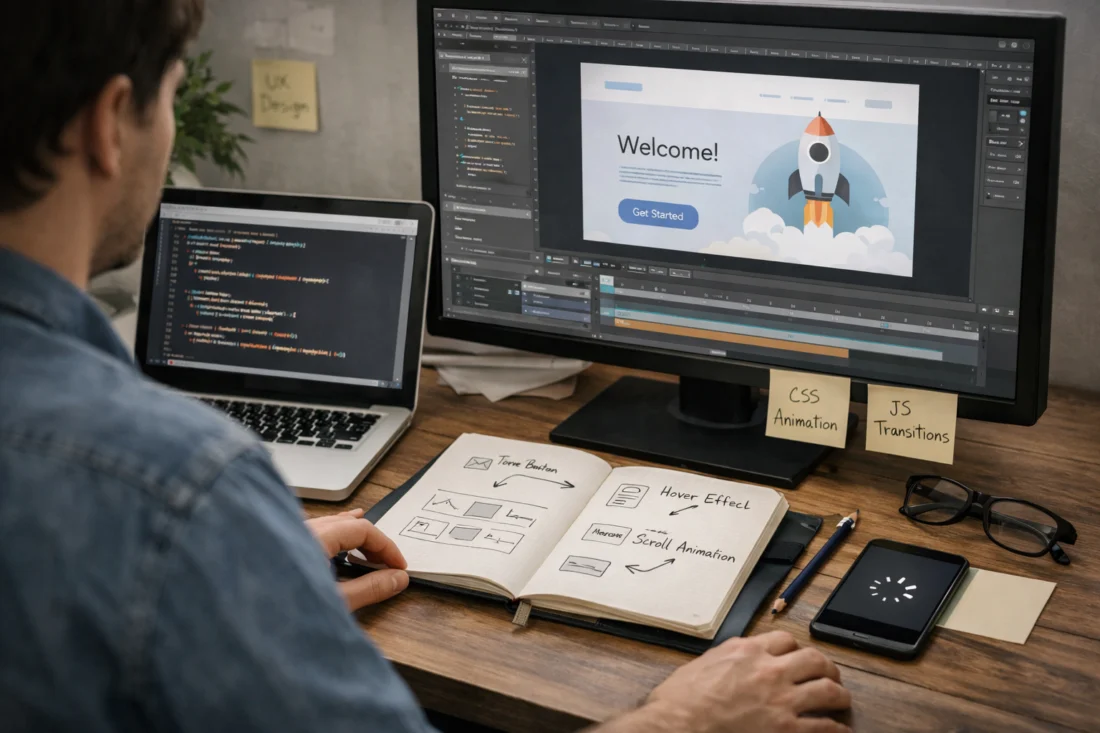
Choosing the right type of animation is crucial. Options include transitions, micro-interactions, and full-page animations, each serving a specific purpose. Transitions can guide users smoothly between pages, while micro-interactions for UX provide feedback for user actions, enhancing interactivity. Full-page animations can be used for storytelling purposes, creating immersive experiences that captivate users.
Prototyping and testing animations before full implementation is vital to ensure they perform as intended. Designers should leverage tools and technologies like CSS, JavaScript libraries, and HTML5 to create animations that are both efficient and effective. Additionally, considerations for accessibility and performance optimization are essential to ensure that animations do not compromise user experience or accessibility.
Common Mistakes in Implementing Animation and How to Avoid Them
One common mistake in implementing animation is overuse, which can lead to user distraction. While animations can enhance user engagement, excessive or unnecessary animations can overwhelm users, detracting from the content’s clarity and focus. It’s crucial to use animations sparingly and strategically to maintain user attention.
One common mistake is failing to consider mobile responsiveness when incorporating animations. As mobile device usage continues to rise, it's essential to ensure that animations are not only responsive but also perform well across all devices. Utilizing design frameworks that prioritize speed and adaptability can significantly enhance user experience, making sure that animations contribute positively rather than detract from mobile interactions.
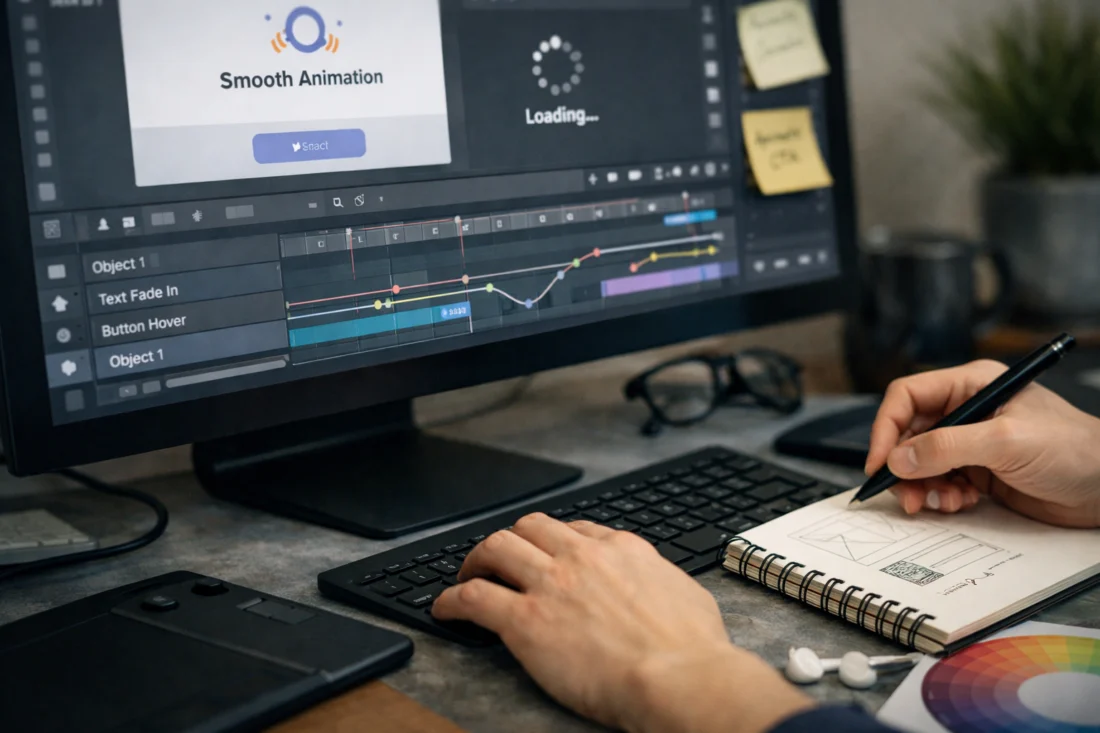
Neglecting performance impacts is another danger, particularly concerning increased loading times. Animations should be optimized to load efficiently, avoiding potential slowdowns that could frustrate users. Designers must also ensure that animations align with brand identity through design, as misalignment can confuse users and weaken the brand’s impact.
Comparing Animation Techniques and Tools
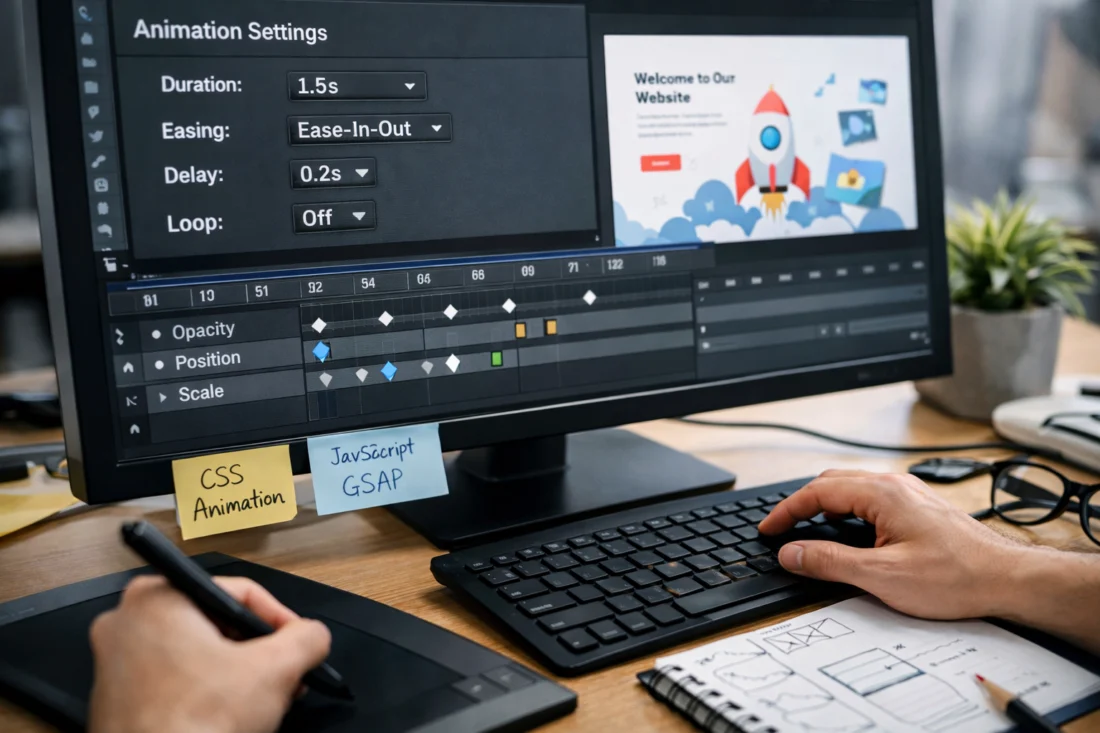
When it comes to animation techniques, CSS and JavaScript animations each have their pros and cons. CSS animations are often simpler and more efficient for basic animations, while JavaScript animations offer greater flexibility and control for complex animations. Understanding these differences can help designers choose the best approach for their needs.
Animation libraries like GSAP and Anime.js provide powerful tools for creating sophisticated animations. These libraries offer extensive features and ease of use, making them popular choices among designers. Additionally, design software with animation capabilities, such as Adobe After Effects, can be used to create intricate animations that add depth and creativity to web designs.
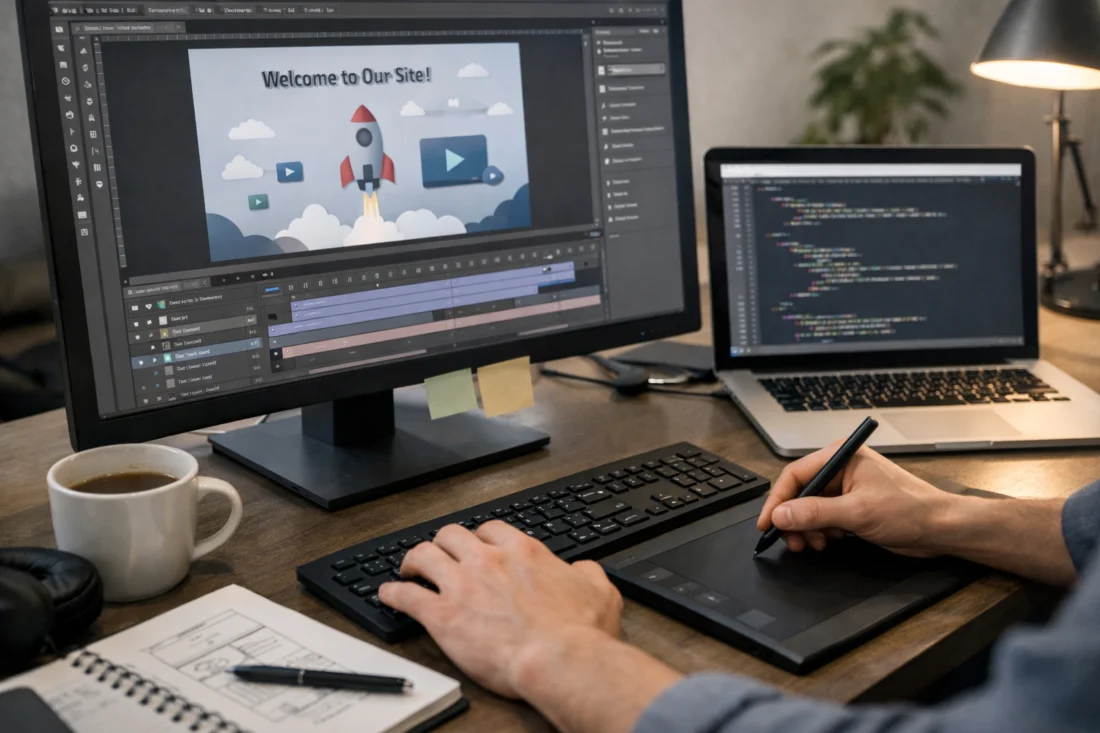
Choosing the right tools and techniques is essential for creating effective animations. Designers must consider factors such as ease of use, flexibility, and performance when selecting tools, ensuring they align with project goals and enhance UX with micro-interactions.
Advanced Considerations for Web Animation in 2026
the integration of AI and machine learning in creating adaptive animations is set to revolutionize web design in 2026. These technologies can personalize animations based on user behavior, enhancing engagement and providing tailored experiences. Designers should explore these emerging technologies to stay ahead of the curve.
The role of 3D animations and WebGL in modern web design is also growing. These technologies enable the creation of immersive, interactive experiences that captivate users. As these tools become more accessible, designers can leverage them to create animations that stand out and engage users in new ways.
Future trends in animation, including virtual reality (VR) and augmented reality (AR), are poised to transform web design. As these technologies become mainstream, they offer new opportunities for creating interactive, engaging experiences. However, designers must also consider evolving standards in web animation technologies to ensure compatibility and performance.
Frequently Asked Questions About Implementing Animation in Modern Web Design
How does animation affect website performance?
Animations can impact website performance by increasing load times if not optimized. To mitigate this, designers should compress animations and use efficient coding practices to ensure smooth performance.
What are the best practices for responsive animations?
Responsive animations should be designed to adapt seamlessly across all devices. Techniques such as fluid layouts and media queries can ensure animations perform well on both mobile and desktop platforms.
How can animations improve user engagement on websites?
Animations enhance user engagement by providing visual feedback, guiding user actions, and creating memorable experiences. They can make websites more interactive and enjoyable, encouraging users to explore content further.
What are the top animation tools for web designers in 2026?
Popular animation tools in 2026 include GSAP, Anime.js, and Adobe After Effects. These tools offer powerful features for creating dynamic, high-quality animations that enhance user experience.
How to ensure accessibility when adding animations to a website?
To ensure accessibility, designers should follow guidelines such as providing alternative content and ensuring animations do not interfere with screen readers. Tools and resources like the accessible web design guide can assist in creating inclusive animations.
In conclusion, thoughtful animation implementation is essential for enhancing user experience. By balancing creativity with functionality, designers can create engaging, memorable web experiences. As the industry evolves, staying informed about advanced techniques and trends will be crucial for success. For further guidance, consider consulting with professional web designers or exploring educational resources on sustainable web design practices and UX design principles.