
In 2026, creating a custom WordPress website is crucial for businesses aiming to establish a strong digital presence. Custom WordPress websites offer unparalleled flexibility and scalability compared to standard templates, allowing businesses to tailor their online presence uniquely to their brand identity. This comprehensive guide to creating custom WordPress websites will explore the essential steps, tools, and considerations for building a site that stands out in the digital landscape.
Last updated: April 2026
Understanding the Basics of Custom WordPress Websites
A custom WordPress website is specifically designed and developed to meet the unique needs and goals of a business, as opposed to using a pre-existing template. This customization allows for greater flexibility in design and functionality, ensuring the website aligns perfectly with a brand’s identity. The significance of a custom site lies in its ability to cater to specific business requirements, enhancing user engagement and ensuring a memorable online experience.
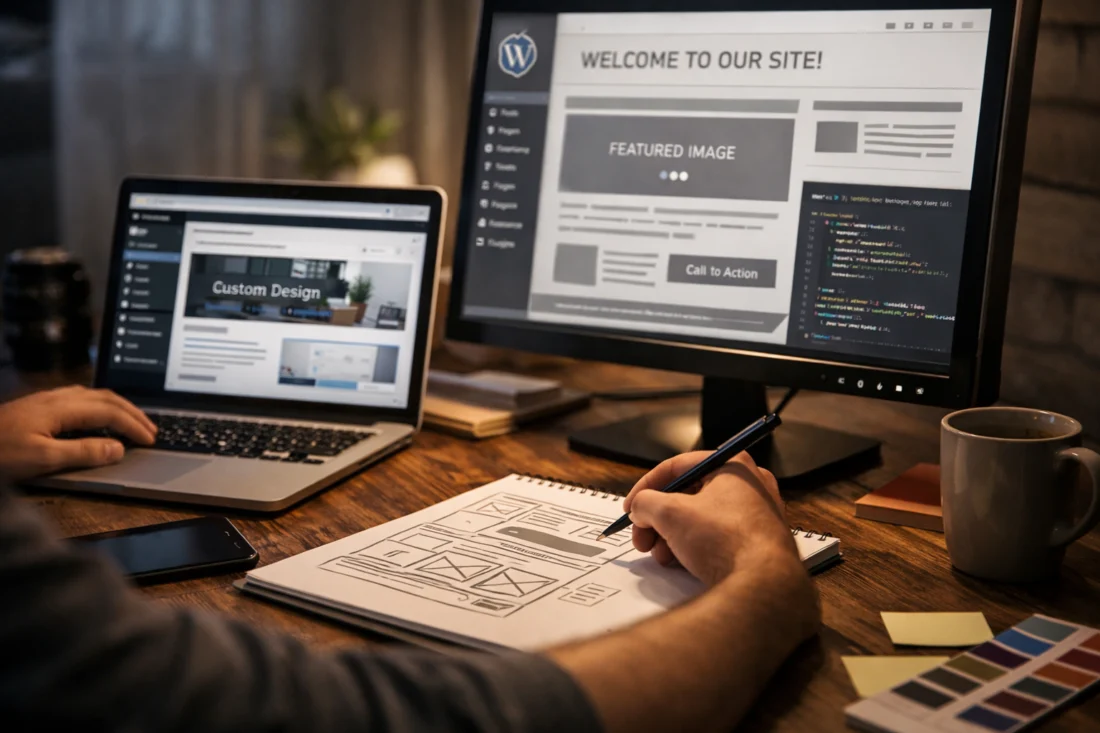
Custom WordPress websites offer significant advantages, such as the ability to integrate advanced features and optimize for search engines. By aligning the design with brand identity, businesses can create a cohesive and professional image online. Initial considerations before embarking on a custom build include understanding business goals, target audience, and budget constraints. This foundational knowledge is critical to guiding the design and development process effectively.
Common misconceptions about custom WordPress sites often involve the perceived complexity and cost compared to template-based sites. While custom sites may require more initial investment, they provide long-term benefits through greater adaptability and potential for future growth. Understanding these nuances is essential for making informed decisions about website development.
How to Plan Your Custom WordPress Website
Effective planning is the cornerstone of building a successful custom WordPress website. The process begins with conceptualizing the site’s purpose and functionality, followed by detailed market research and competitor analysis to identify trends and opportunities. This research informs the design and development process, ensuring that the site meets user expectations and stands out in the competitive digital landscape.
User experience (UX) and design principles are critical factors in planning a custom site. A user-friendly interface with intuitive navigation enhances visitor engagement and encourages repeat visits. Selecting the right WordPress theme and essential WordPress plugins is crucial for achieving the desired look and functionality. It’s important to balance aesthetics with performance, ensuring the site is visually appealing and fast-loading.
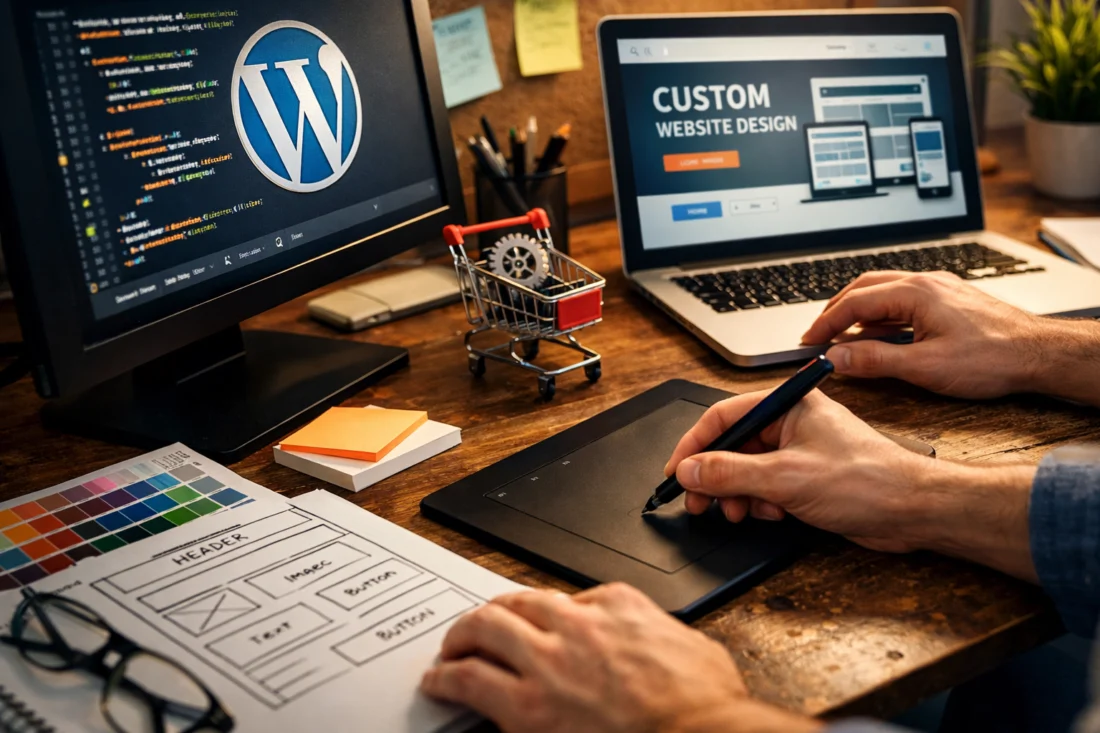
Potential pitfalls in the planning phase include underestimating the time and resources required for development and failing to address scalability needs. By anticipating these challenges and preparing accordingly, businesses can avoid costly delays and create a robust custom website that supports long-term growth.
Tools and Technologies for Building Custom WordPress Websites
Building a custom WordPress website requires a suite of tools and technologies to ensure efficiency and effectiveness. Page builders like Elementor and Beaver Builder provide intuitive drag-and-drop interfaces for designing complex layouts without extensive coding knowledge. These tools streamline the development process and enable developers to focus on creating unique, customized designs.
Custom coding plays a vital role when specific functionalities are required that standard plugins cannot offer. It is essential to weigh the trade-offs between custom coding and using plugins, as excessive customization can lead to maintenance challenges. Additionally, choosing the right hosting options that support custom WordPress sites, such as managed WordPress hosting, can significantly enhance site performance and security.
Evaluating the trade-offs between custom coding and plugins involves considering factors such as development time, cost, and future maintenance needs. By strategically combining these tools and technologies, developers can create a powerful and efficient custom WordPress website tailored to specific business objectives.
Ready to elevate your WordPress presence?
With a custom WordPress website, you can achieve unparalleled flexibility tailored to your brand. Don’t let your site blend into the background. Schedule your free consultation today and discover how we can help you stand out and convert visitors into customers.
Common Mistakes to Avoid in Custom WordPress Development
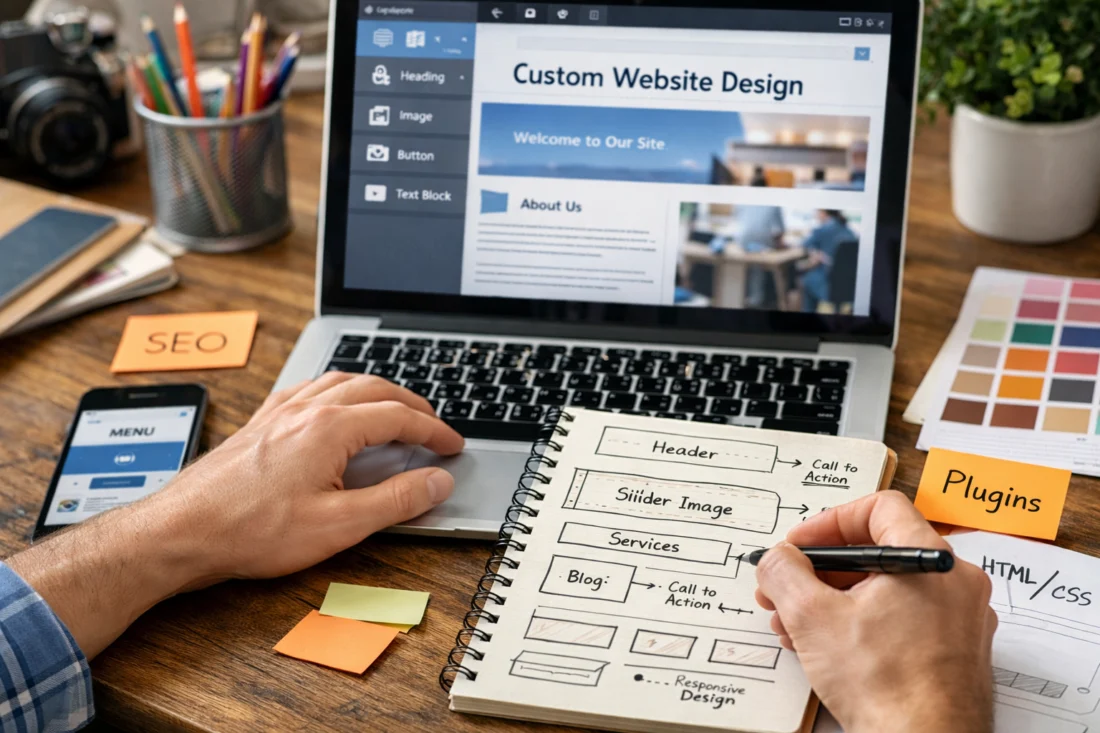
In the realm of custom WordPress development, common mistakes can hinder the success and functionality of a website. One frequent error is over-customization, which can lead to performance issues and complicate site maintenance. It is crucial to strike a balance between customization and usability to ensure optimal performance.
Ensuring mobile responsiveness and adhering to accessibility standards are essential aspects of modern web development. A site that is not optimized for mobile devices or accessible to all users may lose significant traffic and potential customers. Security concerns unique to custom WordPress sites, such as vulnerabilities in custom code, must be addressed proactively to protect sensitive data.
Ignoring SEO best practices can undermine a site’s success by limiting its visibility in search engine results. Implementing on-page SEO best practices and ensuring the site is optimized for search engines from the outset is crucial for achieving long-term organic traffic growth.
Advanced Considerations for Custom WordPress Websites
Integrating advanced features such as e-commerce, membership sites, or multilingual capabilities can enhance the functionality and appeal of a custom WordPress website. These features require careful planning and implementation to ensure they meet user needs and business goals effectively. The role of APIs and third-party integrations is also critical for extending the site’s capabilities and connecting with external services.
CREATE AN IMPACTFUL ONLINE PRESENCE THAT REFLECTS YOUR BRAND
Transform your vision into reality with a tailored WordPress website that enhances user experience and drives conversion. Our expert team at eDesignerz is ready to help you stand out in the digital landscape.
REQUEST A FREE CONSULTATION
Future-proofing a site against technological changes involves regular updates and maintenance to keep the site secure and functional. As technology evolves, staying informed about new trends and tools is essential for maintaining a competitive edge. Maintaining site performance with increased customization involves optimizing code and using content delivery networks (CDNs) to speed up your website.
Handling scalability and site growth over time requires a strategic approach to development and resource allocation. Anticipating future needs and building a flexible, modular site architecture can facilitate seamless expansion and adaptation to changing business requirements.
Comparing Custom WordPress Websites with Other Solutions
When choosing between custom WordPress sites and other CMS platforms, it’s essential to compare the benefits and limitations of each option. Custom WordPress sites offer unparalleled flexibility and control, making them ideal for businesses with unique needs and branding requirements. However, they may require more resources and expertise compared to simpler solutions like website builders.
Cost implications and ROI are significant considerations when deciding between custom builds and templates. While custom sites may have higher upfront costs, they often provide better long-term value through improved functionality and adaptability. Exploring scenarios where a custom WordPress site is the best fit can help businesses make informed decisions based on their specific needs and goals.
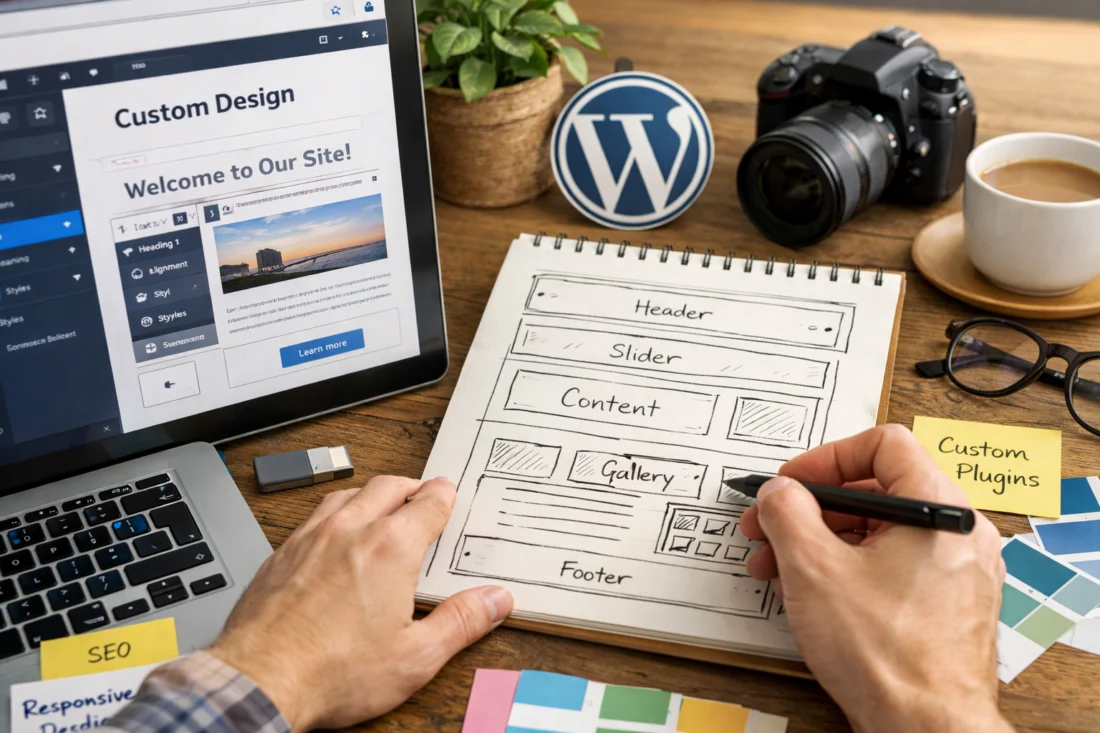
Evaluating long-term maintenance and update challenges is crucial for understanding the total cost of ownership of a custom WordPress site. Regular updates and monitoring are necessary to ensure the site’s continued performance and security. A custom web design comparison can provide insights into the advantages and tradeoffs of different development approaches.
Frequently Asked Questions About Creating Custom WordPress Websites
What are the benefits of a custom WordPress website?
Custom WordPress websites offer unique advantages over pre-built themes by providing tailored functionality that meets specific business needs. They allow for greater control over design and performance, making them ideal for businesses seeking a distinctive and professional online presence.
How long does it take to build a custom WordPress site?
The time required to build a custom WordPress site can vary significantly based on the complexity and features desired. On average, a custom site can take anywhere from a few weeks to several months to complete, depending on the scope of the project and resource availability.
Can I convert my existing site into a custom WordPress website?
Yes, converting an existing site into a custom WordPress website is possible. This process involves redesigning the site to meet new requirements and transferring content to the WordPress platform, ensuring compatibility and functionality.
What are the ongoing maintenance requirements for a custom WordPress site?
Ongoing maintenance for a custom WordPress site includes regular updates to WordPress core, themes, and plugins, as well as monitoring for security vulnerabilities. Routine backups and performance optimization are also essential to maintain site reliability and user satisfaction.
How do I choose between a custom WordPress site and a website builder like Wix or Squarespace?
Choosing between a custom WordPress site and website builders depends on your specific needs and resources. Custom sites offer more flexibility and scalability, while website builders provide a more accessible and user-friendly experience for those with limited technical expertise.
Transform Your Website Today
UNLOCK YOUR CUSTOM WORDPRESS POTENTIAL.
Take your digital presence to new heights with our expert WordPress design and development services. Whether it’s a stunning custom website or tailored WooCommerce solutions, we’re here to turn your vision into reality.
29+ Years Experience Personalized Service Satisfaction Guaranteed
In conclusion, creating a custom WordPress website in 2026 is a strategic investment for businesses seeking to enhance their digital presence. A well-planned custom site supports business success by providing a tailored and engaging user experience. Ongoing maintenance and updates are essential for ensuring the site’s long-term viability. For complex customizations, consulting with professionals can provide the expertise needed to implement advanced features effectively. As a next step, businesses should explore advanced functionalities or consider hiring a developer to bring their custom project to life.