
Success in 2026 means your WordPress pages get indexed correctly, earn clicks with strong previews, and build steady organic traffic over time. If you’re looking for the best WordPress SEO plugins for 2026 success, the right plugin stack helps you implement proven SEO best practices without guesswork. This guide gives you a decision-ready shortlist of plugin types, what they should do, and how to choose based on your site’s content and technical setup. Plugins are not magic, though. They support your workflow for metadata, sitemaps, canonical rules, schemas, redirects, and ongoing technical checks.
Contents
- 1 Choosing a WordPress SEO plugin stack that produces measurable 2026 outcomes
- 2 How to select plugins by WordPress setup, content types, and technical constraints
- 3 Plugin categories that match SEO tasks for different WordPress site goals
- 4 Core plugin features that matter most for metadata, sitemaps, and indexing reliability
- 5 Structured data plugins that improve visibility without creating misleading markup
- 6 On-page optimization plugins that support publishing workflows without score-chasing
- 7 Technical SEO monitoring plugins that catch crawl and index issues early
- 8 Common reasons WordPress SEO plugins fail to deliver results in 2026
- 9 How to compare overlapping WordPress SEO plugin options and build a minimal stack
- 10 Edge cases where standard WordPress SEO plugin setups break down
- 11 Top WordPress SEO Plugins for 2026 Success: frequently requested decisions answered
- 11.1 What are the best WordPress SEO plugins for beginners trying to improve rankings?
- 11.2 Do I need more than one WordPress SEO plugin to succeed in 2026?
- 11.3 Which plugin should handle XML sitemaps for a WordPress site?
- 11.4 Can SEO plugins hurt my WordPress site or rankings?
- 11.5 How do I avoid duplicate canonical tags when using multiple SEO tools?
- 11.6 What should I configure first after installing an SEO plugin?
- 11.7 How do I choose schema plugins when my site has custom post types?
- 11.8 Are content optimization plugins worth it if I already have great writing?
- 11.9 How can I verify that my plugin changes are actually getting indexed?
- 11.10 What’s the best way to manage redirects and prevent crawl waste?
- 12 Conclusion: build for outcomes, then verify every plugin change
Choosing a WordPress SEO plugin stack that produces measurable 2026 outcomes
A good SEO plugin stack turns best practices into consistent settings and repeatable publishing workflows. In 2026, that means you protect index quality, improve click-through rate with cleaner titles and previews, and catch issues before they quietly harm visibility. Your goal is not “more SEO features.” Your goal is fewer indexing errors, better structured signals, and predictable updates to your content.
Think in outcomes tied to what search engines can crawl and understand. Your stack should support indexing health, crawlability, structured data coverage, on-page metadata control, internal linking support, and technical issue detection. Many site owners fail because they pick one “do everything” plugin and ignore overlaps between plugins or gaps in capabilities.
The practical approach is to combine a core plugin layer with optional specialists. A core SEO layer typically handles robots and indexing controls, canonical URLs, XML/HTML sitemaps, and basic metadata editing. Then you add specialists only where your site needs it, such as deeper schema control, redirect governance, and technical monitoring. This “stack” mindset helps you avoid duplicate sitemaps and conflicting canonical logic.
Even the best WordPress SEO plugins can create problems if you enable overlapping features. When two plugins generate canonicals or redirect rules, one may override the other in some templates. The result can look like “SEO worked until it didn’t,” because conflicts show up only on certain page types.
For real-world publishing, start with your most common templates. If you publish blog posts and landing pages every week, focus on metadata editing, sitemap coverage, and schema correctness for those pages. If you run an eCommerce catalog, prioritize product schema support and canonical rules for filtered URLs. Always validate after setup using page-source checks and Google Search Console coverage data. Google Search Central documents how indexing and structured data are evaluated, which helps you test whether your plugin output matches your intent.
How to select plugins by WordPress setup, content types, and technical constraints
You should choose SEO plugins based on your WordPress build and content model, not based on popularity. Your editor, theme architecture, and content types determine whether an SEO plugin can safely manage metadata and URL rules. This is especially important in 2026 as more sites use block templates, custom fields, and advanced page builders.
First map your publishing surfaces. Are you using classic editor or block editor patterns for posts, pages, and landing pages? Do you have custom post types like “courses,” “portfolio items,” or “events”? If you do, ensure your chosen SEO plugin covers those post types in sitemaps and allows per-type metadata rules.
Next map your technical constraints. Multisite, multi-domain setups, caching layers, and CDN behavior can change which HTML actually reaches crawlers. Some SEO features require correct rewrite rules or server headers, and not every plugin behaves the same on heavily cached sites. For multilingual sites, you also need to confirm how the plugin handles language-specific canonical behavior and duplication risks.
When evaluating “settings depth,” verify that defaults are transparent. Some plugins hide critical behaviors behind quick setup wizards. You want the ability to review inclusion and exclusion rules for post types, taxonomies, and archive pages. You also want clear documentation about what the plugin outputs on templates.
Tradeoffs are real . Feature-rich plugins may include multiple internal systems for sitemaps, redirects, and schema. That can create conflicts with other SEO or cache plugins. A safer path is to install one core indexing and metadata plugin, then add only the specialists you can test end-to-end.
Before committing, test on staging with your theme’s real templates. Then compare your output to expectations in Search Console and by inspecting the rendered HTML. The goal is to confirm that meta tags, robots directives, canonicals, and schema appear consistently. WordPress Core is useful context for how WordPress outputs templates and taxonomies, which affects what SEO plugins can control.
Plugin categories that match SEO tasks for different WordPress site goals
SEO plugins help when they match a specific job-to-be-done for your site. In practice, “SEO plugins” cover several categories, and your stack needs the categories that align with your content and growth plan. This is how you get reliable 2026 results instead of random feature installs.
Start with sitemap and index support. XML and HTML sitemaps help search engines discover URLs, while robots and meta noindex controls help prevent unwanted pages from entering the index. Then add structured data support for entities like articles, organizations, products, and breadcrumbs. Next add on-page metadata and social preview control so titles and descriptions match what you want users to click.
For growth, you often need redirect and canonical management tools. When URLs change due to redesigns, migrations, or content consolidation, redirects prevent crawl waste. Canonical controls reduce duplication signals for archives, tag pages, paginated views, and faceted navigation. Finally, add monitoring or audit tools that catch broken links, indexing issues, and sitemap problems before they grow into traffic losses.
Different site types need different balances. A news or blog site usually needs robust archive and pagination handling, plus fast and accurate sitemap updates. A SaaS or landing-page site needs strong metadata control and predictable canonical behavior across landing variations. An eCommerce site needs product and category schema options, plus careful canonical rules around filters. A local or service business often benefits from organization and local schema coverage and clean index control for location pages.
Know when not to use certain tools. If your site already uses strong hub pages and a clean category structure, a heavy “internal linking” plugin may add little. If your theme already manages metadata correctly with custom code, a second metadata plugin can conflict. And if you use a separate redirect plugin, avoid enabling redirect logic in your SEO suite that could double-handle rules.
The deeper insight is that plugin usefulness depends on your templates. A schema tool that works on posts may not handle custom template conditions for landing pages. A sitemap tool may include custom post types correctly but exclude taxonomy terms due to your settings. Always verify each category against your actual page types. This aligns with how Google evaluates structured data and page eligibility for rich results. Google Search Central covers structured data basics and the importance of correct markup.
Core plugin features that matter most for metadata, sitemaps, and indexing reliability
For most sites, your first priority is that SEO plugins reliably manage indexing controls, canonical URLs, and sitemaps. These are the systems that decide which pages search engines should crawl and include. If those are wrong, other features will not save you.
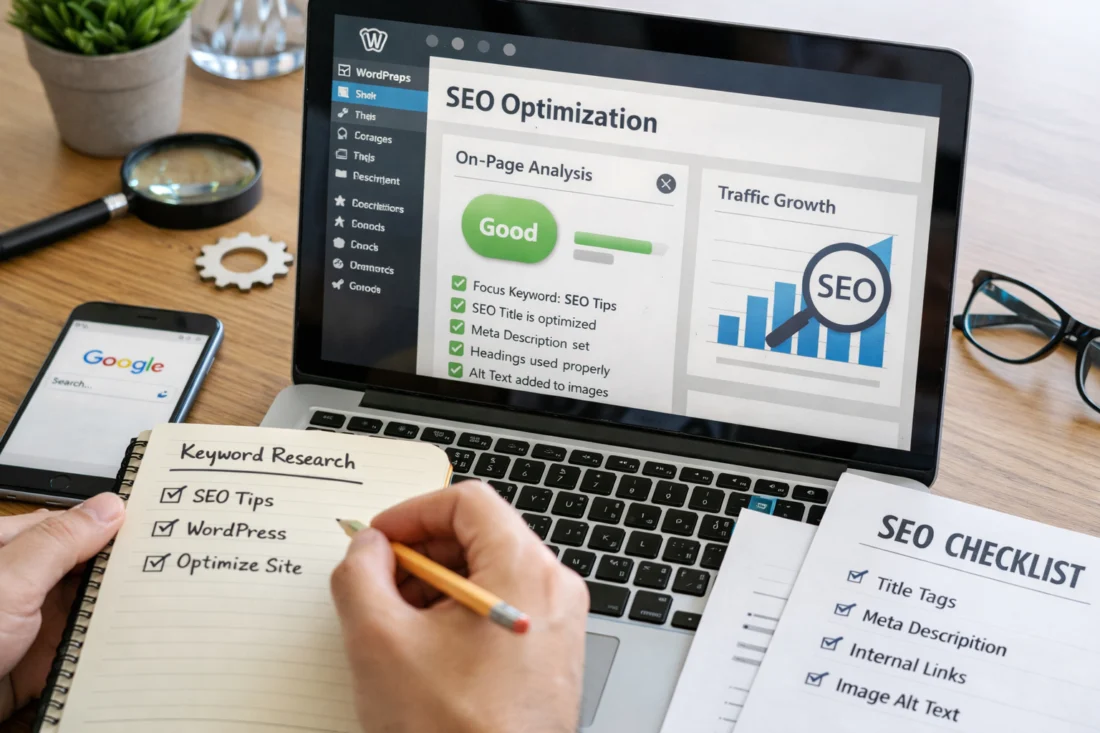
A core setup should handle robots and noindex directives, canonical URLs, and XML/HTML sitemaps. It should also provide meta title and description editing per page type. For schema, a core plugin may include basic hooks, but you should still confirm it matches your content. The key is coverage: post types, taxonomies, and archives must match what you want to rank.
After installing, review configuration beyond the wizard. Confirm post type inclusion for posts, pages, and any custom post types. Check taxonomy and archive inclusion, including author archives, date archives, tags, and categories. Also verify how parameters are treated, such as sort order and pagination variables.
Edge cases often decide whether your plugin stack succeeds. Pagination and faceted navigation can trigger duplicate content signals if the plugin includes every variant. Tag archives can multiply thin pages if your content strategy does not support them. Multilingual setups can also create duplicate language versions if canonical and sitemap language rules conflict.
Evaluation should include URL normalization behavior. Check trailing slashes, www versus non-www, and HTTP versus HTTPS consistency. A plugin that generates different canonicals for similar URL variants can confuse indexing. Also watch for “silent failures” where a sitemap generates, but pages are excluded by robots rules or by template-level meta tags.
To validate, use page-source inspection and Search Console. Confirm that the canonical tags your plugin outputs match the URL you tested. Then check Search Console coverage for indexing patterns after publishing. This disciplined verification helps you spot theme overrides where templates inject different robots or canonical tags.
Structured data plugins that improve visibility without creating misleading markup
Structured data helps search engines interpret your pages, but it only helps when the markup is accurate. In 2026, schema can improve eligibility for rich results and can strengthen how search engines connect entities across your site. Your plugin choice should focus on safe output that matches your on-page content.
Most WordPress sites benefit from a core set of schema types. Article or BlogPosting works for blog content, while Organization or Person fits about pages and author profiles. Breadcrumbs often improves clarity for site hierarchy. If you run eCommerce, Product schema can help for products and related categories. For local service pages, LocalBusiness schema can help signal relevant business details.
Be selective with advanced schema like FAQ or HowTo. Use it only when the page content clearly qualifies, like a real FAQ section with actual questions. A schema plugin that auto-adds FAQ markup from headings can still be wrong if the content does not follow the structured format search engines expect. The safest path is to align schema output with what users .
Schema tools should output only what your templates support. Auto-generated schema can be fast, but you must prevent duplication when multiple plugins output similar schema blocks. Template-level schema rules also matter, because archives and landing pages often differ from single posts. A good plugin provides validation tools or at least clear summaries of what it is outputting.
Tradeoffs are common. More schema coverage can increase recrawl pressure and risk mistakes if your rules are broad. If you add product schema but your stock and pricing data are not accurate on every page template, you can create misleading markup. That hurts eligibility and can reduce trust in your signals.
A practical scenario is migrating a blog from one theme to another. Theme changes can alter how titles, author names, and breadcrumbs render. If your schema plugin relies on selectors that changed, it may stop emitting correct markup. After any major theme or template update, validate schema output with structured data testing tools and re-check Search Console rich result status. Google Search Central explains how structured data and eligibility work at a high level.
On-page optimization plugins that support publishing workflows without score-chasing
On-page optimization plugins can improve your editing process by reminding you to write clear titles, descriptions, and structured content. They can also help map pages to intent by suggesting changes to headings and content coverage. The best tools support humans, not replace them.
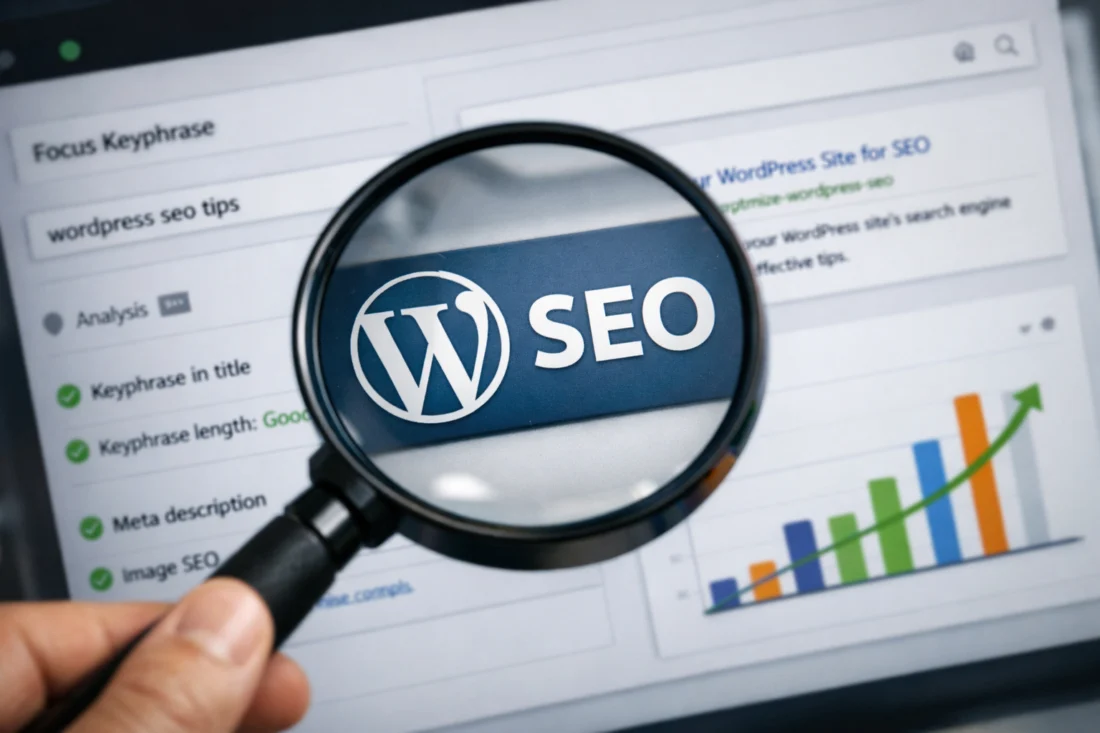
These plugins usually provide readability checks, metadata suggestions, and content guidance within the editor. In WordPress, this means assistance in Gutenberg blocks or classic editor meta boxes. The practical win is speed: you can apply a consistent style guide before publishing, especially for recurring content types like guides, product comparisons, and service pages.
Judge a plugin by transparency and control. Does it show why it suggests a change? Can you adjust rules to match your editorial standards? If recommendations are too generic, you will spend more time dismissing them than improving content. Also check whether it supports your content types, including custom post types and template-driven landing pages.
Use optimization plugins as draft helpers. Treat scores as hints, not as truth. A page can score poorly and still rank if it matches user needs and earns links or brand signals. Conversely, a page can score well and still underperform if it lacks originality, depth, or a clear answer.
Common mistakes come from turning advice into templates. If you rewrite every article to hit the same checklist, you may reduce uniqueness and credibility. Another mistake is optimizing before you know what already works. Your better approach is to use Search Console performance data to identify queries and then apply targeted improvements.
Integrations matter for workflow stability. If the plugin conflicts with bulk editing, you can accidentally remove metadata or rewrite schema fields. Test your editor experience on a staging copy with real content volumes. This helps you keep publishing consistent in 2026 without creating avoidable rework.
Technical SEO monitoring plugins that catch crawl and index issues early
Technical monitoring plugins help you spot problems that stop pages from ranking, even when your content is good. In 2026, sustainable growth requires fewer surprises in indexing and fewer hours spent guessing why traffic drops. Your monitoring should cover crawlability, sitemap/index coverage, and error detection.
Look for features like crawl/access alerts, sitemap coverage checks, broken link detection, and redirect monitoring. These should connect to the realities of your WordPress setup. If your site uses aggressive caching, make sure the plugin checks the rendered output that crawlers actually , not only what WordPress generates in the admin panel.
A good monitoring workflow avoids redundancy. If your hosting provider already runs log analytics, you can focus the plugin on SEO-specific alerts. If you have a separate uptime monitor, do not duplicate effort. Instead, coordinate notifications so you act on meaningful issues, such as rising crawl errors or sitemap exclusions.
Verification is essential after enabling any monitoring feature. Compare plugin findings to Google Search Console coverage reports and URL Inspection results. Check robots settings, meta noindex templates, and sitemap inclusion logic. Then confirm that the changes actually reduce errors rather than just changing how the plugin reports them.
WordPress has predictable technical problem areas. Image attachment pages can accidentally become indexable. Duplicate query strings can create parameter URLs that bloat crawl budgets. Canonicalization across pagination is also a common risk, especially for category and tag archives.
Deeper insight means adopting a troubleshooting discipline. Keep a change log when you modify SEO settings, plugin versions, or theme templates. Run tests on staging, especially when you add schema blocks or change canonical rules. Then roll back if URL outputs change in ways that increase indexing problems. This method reduces “plugin roulette” and keeps your SEO stack stable through plugin updates.
Common reasons WordPress SEO plugins fail to deliver results in 2026
SEO plugin failure usually comes from conflicts, misconfiguration, or verification gaps. You can install top tools and still see weak results if two plugins duplicate logic or if robots and canonical rules block the pages you care about. In 2026, many traffic losses stem from subtle template-level outputs and caching behavior.
The first derailment is overlap. Two sitemap generators can create conflicting sitemap feeds, and two canonical managers can output different canonicals on different templates. Two redirect systems can also cause loops or redirect chains that waste crawl budget. The fix is to pick one “owner” for each job: sitemaps, canonicals, and redirects.
Another common issue is exclusion settings that are too broad or too narrow. If your plugin excludes a custom post type in sitemaps, those pages may never be discovered. If it includes tag archives you do not manage, you can index thin pages. Parameterized URLs can also slip through if you do not handle them with a deliberate plan.
Social and schema eligibility can also be the silent culprit. If open graph tags vary between page templates, previews can become inconsistent. If schema markup is duplicated across plugins, validators may show errors or warnings. That can reduce rich result eligibility even when you see “schema present” in page source.
Canonical and pagination logic is a frequent trap. Category and tag archives need clear canonical targets and consistent handling for paginated views. A plugin might generate canonicals that point to page 1 for every page in a series, which can be correct in some setups and wrong in others. The nuance is that “one canonical” is not always universally best; it depends on your crawl and content strategy.
The deeper debugging nuance is that “the plugin works” does not mean Google receives the correct HTML. Cache and CDN can serve stale versions, including old robots tags. Theme code can override meta directives late in the template. Always confirm with Search Console and page-source checks of the live URL, not only the admin previews.
How to compare overlapping WordPress SEO plugin options and build a minimal stack
To choose between overlapping plugin options, compare capabilities by the SEO job you need next. A minimal stack often performs better than a maximal one because it reduces conflicts. The key is coverage of core indexing and metadata reliability, then optional additions for schema, content guidance, and monitoring.
Start with which category you are missing. If your sitemaps and canonicals are already correct, you do not need a second “SEO suite.” If your metadata editing workflow is messy, choose a plugin that improves editorial control for your templates. If you have schema needs for specific page types, choose a schema tool that can avoid duplication with your core plugin.
Here are practical stack approaches you can validate on staging. Minimal stack uses one core SEO plugin plus optional schema and redirect tools. Content-first optimization uses a core metadata plugin plus an on-page workflow assistant. Schema-rich strategy uses a core plugin plus deeper structured data control for the page types you publish. Technical operations emphasis uses monitoring and audit tooling plus a simple core metadata layer to avoid overlap.
The validation step matters more than the brand. After setup, run a pre and post check for sitemap generation, canonical outputs, and robots behavior. Then verify indexing in Search Console coverage. Track CTR trends for pages with new previews and track index coverage for the page types you changed.
Compatibility checklists should include theme and editor compatibility, multilingual compatibility, and cache/CDN interactions. Also consider whether multisite or multi-domain needs affect your chosen plugin’s sitemap and canonical rules. WordPress and plugin documentation both matter here because WordPress changes how templates and hooks render in different setups.
The deeper insight is that overlap is not the only risk; hidden defaults are also a risk. Two plugins may both be “off by default,” but turn on in certain template types. You must review feature toggles and confirm what renders on your most important templates.
| Stack approach | Best plugin category coverage | Setup verification steps | Typical risks |
|---|---|---|---|
| Minimal stack | Core indexing, metadata, basic schema | Check sitemap inclusion, canonical consistency, Search Console coverage | Underpowered schema or monitoring coverage |
| Content-first optimization | Core metadata plus editor workflow assistance | Validate metadata output per template, preview accuracy, bulk edit stability | Score-chasing reduces originality |
| Schema-rich strategy | Core indexing plus deeper structured data controls | Validate schema per page type and prevent duplicate markup | Over-markup or mismatched content |
| Technical operations emphasis | Monitoring plus simple core metadata layer | Compare plugin alerts to Search Console findings, check live HTML | Confusing alerts or duplicated systems |
Edge cases where standard WordPress SEO plugin setups break down
Some WordPress setups require extra care because standard plugin configurations assume a simpler URL and template environment. Multisite, multilingual, heavy custom post types, and custom routing can all break SEO assumptions. In these cases, “it works on a default theme” is not enough.

In multisite and custom domain scenarios, confirm how sitemaps are generated per site. Path-based and domain-mapped setups can change what canonical should point to. Your plugin stack must avoid mixing URLs from different domains or missing site-specific inclusion rules.
For multilingual sites, plan hreflang behavior and canonical consistency carefully. You want language-specific duplicates to be correctly signaled, not treated as separate unrelated pages. A common problem is that a schema or canonical tool generates a single default language canonical for every translation. That can reduce the effectiveness of your multilingual SEO strategy.
Custom post types and templated landing pages create another edge case. SEO fields may not attach to the template where your content actually renders. Archives for custom types might be handled differently than posts, especially if taxonomy templates have custom logic. You should inspect the live output and ensure sitemap inclusion matches the templates that exist on your site.
Migrations and URL changes can also break standard setups. Redirect tools must be integrated into your migration workflow, and you must prevent redirect loops. Canonical tags must align with the final URL targets, or you can create cycles where the canonical points back to the old URL pattern.
Deeper insight is template-level override behavior. Many builders output robots meta tags or schema blocks in templates, which can silently override plugin output. If you see indexing issues after an update, inspect the page source for multiple canonical or robots directives. A disciplined audit helps you spot conflicts that plugin admin screens never reveal.
Top WordPress SEO Plugins for 2026 Success: frequently requested decisions answered
What are the best WordPress SEO plugins for beginners trying to improve rankings?
Beginners usually succeed with a core SEO plugin that handles titles, meta descriptions, canonicals, robots/noindex controls, and XML sitemaps. Look for guided setup that still lets you review sitemap inclusion rules for post types and archives. After setup, verify with Search Console coverage reports to confirm pages you want are actually indexed.
Do I need more than one WordPress SEO plugin to succeed in 2026?
You often need only one core SEO plugin for metadata and indexing. Additional plugins can help with deeper schema control, redirect governance, or technical monitoring, but only if they fill gaps. Add one at a time and test the live output to avoid conflicts like duplicate canonicals or competing sitemap feeds.
Which plugin should handle XML sitemaps for a WordPress site?
Choose the plugin you trust to generate sitemaps that match your indexing plan. It should include the correct post types and taxonomies, and it should respect robots and canonical rules. Verify after setup by checking sitemap URL status in Search Console and confirming that excluded pages do not appear in crawlable lists.
Can SEO plugins hurt my WordPress site or rankings?
Yes, conflicts can cause indexing problems even when pages still load in the browser. Common risks include misapplied noindex settings, incorrect canonical targets, and duplicate structured data. If traffic drops after changes, inspect live page source and use Search Console URL Inspection to identify what Google sees.
Duplicate canonicals happen when two tools both output canonical tags on the same template. The fix is to decide which plugin owns canonicals and disable the other plugin’s canonical feature. Then audit page-source for your key templates and use URL Inspection for a couple of representative URLs.
What should I configure first after installing an SEO plugin?
Start with metadata defaults and index controls, then confirm sitemap generation and robots/noindex behavior. Next, review inclusion rules for post types, taxonomies, and archive pages so you only index what you want. Finally, validate with Search Console coverage and a few page-source checks on your most important templates.
How do I choose schema plugins when my site has custom post types?
Pick a schema tool that supports the content structure of your custom post types. Ensure the schema output is tied to visible on-page fields, not assumptions. Then validate each custom template output, especially archives versus single pages, to avoid schema that does not match the content.
Are content optimization plugins worth it if I already have great writing?
They can still help if they improve your consistency for titles, descriptions, and structure across many pages. However, avoid treating scores as a target, since originality and user usefulness matter more than a checklist. Measure results with CTR changes and index coverage for your content pillars, not only with plugin scores.
How can I verify that my plugin changes are actually getting indexed?
Use Search Console coverage and URL Inspection for specific pages you updated. Confirm that live HTML includes the expected canonicals, robots directives, and schema blocks. Also account for caching or CDN behavior by clearing caches after changes and checking the rendered output.
What’s the best way to manage redirects and prevent crawl waste?
Use redirects as a planned replacement system during URL changes, not as a pile of random rules. Map old URLs to exact new targets when possible, and avoid redirect chains. Then monitor crawl behavior and validate with a few test URLs so you do not create loops or over-redirection.
Conclusion: build for outcomes, then verify every plugin change
In 2026, top WordPress SEO success comes from matching plugin categories to real SEO tasks: core indexing and metadata reliability first, then schema, optimization workflows, and monitoring where your site needs it. Your stack should reduce conflicts and protect index quality, not add complexity you cannot test. The best approach is to prioritize the categories that directly affect which URLs get crawled, what signals are sent, and how users see your results.
Verification is the difference between “installed” and “effective.” Use page-source checks, Search Console coverage signals, and URL inspection for the templates that matter most to your content plan. Keep a change log, test on staging, and validate after plugin updates that URL outputs and schema behavior still match your intended setup.
Finally, compare options using the category-based checklist: minimal stack for core reliability, content-first tools for workflow, schema-rich tools only when your pages qualify, and technical monitoring when issues are frequent. Audit your current SEO setup, adjust one category at a time, and implement changes in staging before going live. This helps you reach 2026 success with a plugin stack that supports sustainable organic traffic.
Updated September 2026