

An SEO campaign is a strategic effort to improve a website’s visibility on search engines, and in 2026, it plays a crucial role in digital marketing. Building a successful SEO campaign is more important than ever for businesses seeking online visibility and growth. With advanced algorithms and user expectations, achieving high rankings requires a well-structured approach. This article explores the essential components and strategies to enhance your SEO efforts, targeting marketers, business owners, and SEO professionals. Let’s dive into the intricacies of building a successful SEO campaign.
Last updated: April 2026
What Are the Key Components of a Successful SEO Campaign?
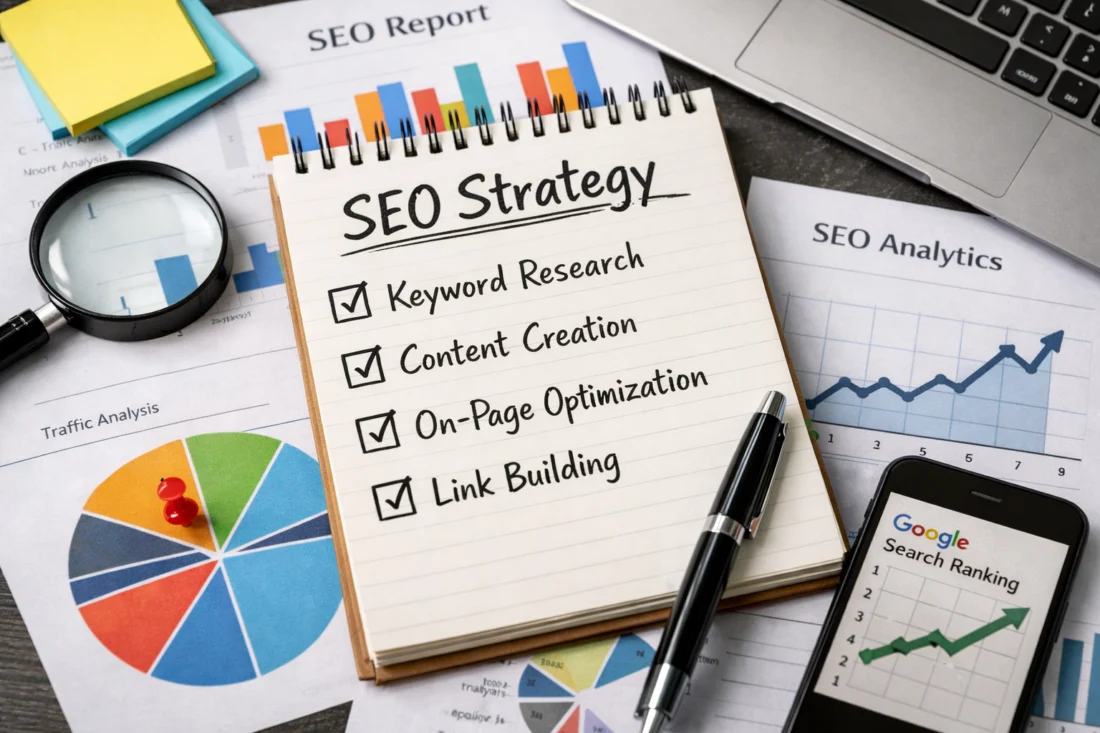
A successful SEO campaign is built on several core components: keyword research, on-page SEO, and link building. Each of these elements contributes to the campaign’s overall success by enhancing a website’s visibility and relevance in search engine results.
Keyword research is the foundation of any SEO strategy, allowing you to identify terms and phrases your target audience uses. On-page SEO involves optimizing individual pages to rank higher, focusing on elements like meta tags, headers, and content quality. Link building, on the other hand, establishes authority by earning backlinks from reputable sites, which signals trust to search engines.
Practical applications of these components can be seen in successful campaigns like those of HubSpot, which combines comprehensive keyword research with engaging content and strategic backlinking. A common misconception is that SEO is a one-time task, but it requires ongoing attention and adaptation to build a successful SEO campaign and improve rankings.
Tip: Regularly update your keyword lists to keep up with changing trends.

How Do You Conduct Effective Keyword Research in 2026?
Effective keyword research in 2026 involves several steps: identifying your niche, using advanced tools, and analyzing search intent. Modern tools like Google’s Keyword Planner and SEMrush help discover relevant keywords by providing data on search volume and competition.
Understanding search intent is crucial in refining keyword lists. It means recognizing whether users are looking for information, making a purchase, or seeking a specific website. AI technology plays a significant role in keyword analysis, offering insights into user behavior and preferences.
Utilizing search intent allows marketers to create content that directly addresses user needs, improving engagement and conversion rates. A deeper insight is the role of AI in predicting keyword trends, enabling a proactive approach to content creation.
Tip: Use AI-powered tools to anticipate emerging keyword trends and stay ahead of the competition.
What Are the Common Mistakes to Avoid in an SEO Campaign?
Common mistakes in an SEO campaign include keyword stuffing, neglecting mobile optimization, and producing low-quality content. These errors can significantly impact your strategy; learn how building a successful SEO campaign can prevent penalties and boost user engagement.
An effective SEO campaign is your key to digital growth.
Our proven strategies blend design, SEO, and user experience to increase visibility.
Ready to Transform Your Website into an SEO Powerhouse?
Get Your Free Website ConsultationKeyword stuffing, or excessively using keywords, can make content unreadable and result in penalties from search engines. Ignoring mobile optimization is another pitfall, as a majority of users now access websites via mobile devices. Ensuring a mobile-friendly design is essential for maintaining rankings and user satisfaction.
Strategies to avoid these pitfalls include focusing on high-quality, relevant content and employing responsive design. It’s a misconception that more content automatically equals better SEO. Instead, quality should always trump quantity.
Tip: Conduct regular audits to ensure your website is mobile-optimized and free from keyword stuffing.

How Does On-Page SEO Differ from Off-Page SEO?
On-page SEO refers to the optimization of elements within your website, such as content, meta tags, and internal linking. To enhance your site’s authority, it’s crucial to understand off-page SEO techniques for building authority and ranking higher, which focus on external factors like backlinks and social media signals.
On-page SEO impacts search rankings by improving the relevance and user experience of individual pages. Off-page SEO boosts your site’s credibility through external endorsements. Both strategies are vital for a balanced SEO approach, with best practices including using descriptive meta tags and earning high-quality backlinks.
Integrating on-page and off-page tactics creates a holistic SEO strategy that enhances overall performance. A common mistake is to focus solely on one aspect, missing out on the synergy between the two.
Tip: Regularly update your content and actively seek backlinks from authoritative sites to strengthen both on-page and off-page SEO.
What Are the Best Tools for Building a Successful SEO Campaign?
Several tools are essential for building a successful SEO campaign, including Google Analytics, Ahrefs, and Moz. These tools enhance campaign effectiveness by providing insights into site performance, keyword opportunities, and backlink profiles.
Google Analytics helps track user behavior and website traffic, offering valuable data for optimizing strategies. Ahrefs is excellent for competitor analysis and identifying backlink opportunities, while Moz provides insights into local SEO and keyword difficulty.
A practical application of these tools is seen in case studies where companies use them to refine strategies and improve rankings significantly. A tradeoff to consider is the cost versus benefits of different tools, as some may require significant investment but offer comprehensive features.
Tip: Start with free tools like Google Analytics and gradually invest in paid options as your SEO strategy matures.
How Can Content Marketing Enhance Your SEO Campaign?
Content marketing and SEO work together to improve search visibility and engagement. Creating SEO-friendly content involves understanding user intent and incorporating relevant keywords naturally.
Effective content strategies include producing high-quality, informative articles that answer user queries and encourage sharing. User engagement metrics, such as time on page and social shares, play a significant role in SEO success.
Integrating content marketing with SEO strategies helps boost rankings and drive organic traffic. Companies that have successfully done this, like BuzzFeed, create engaging content that naturally attracts backlinks and social interactions.
Tip: Focus on creating evergreen content that remains relevant over time and continues to attract traffic.
What Advanced Strategies Can Elevate Your SEO Campaign?
Advanced SEO strategies include schema markup, voice search optimization, and AI integration. These tactics provide a competitive edge by making your content more accessible and relevant to search engines.
Schema markup helps search engines understand your content better, potentially earning rich snippets. Voice search optimization focuses on natural language and conversational keywords, crucial as voice-activated devices become more popular.
Implementing advanced techniques like AI-driven content analysis can further refine your SEO strategy. A common misconception is that these strategies are only for large companies, but they can benefit businesses of all sizes.
Unlock Your Website's Potentialwith Expert Design
Transform your SEO campaigns with a stunning, optimized website that attracts visitors and converts leads. Let us help you enhance your online presence today!
Tip: Experiment with schema markup and voice search optimization to stay ahead in the evolving SEO landscape.
How Do You Measure the Success of Your SEO Campaign?
Measuring the success of an SEO campaign involves tracking key metrics such as organic traffic, conversion rates, and keyword rankings. Tools like google search console and SEMrush are essential for monitoring these metrics.
Setting realistic goals and KPIs helps in evaluating campaign performance and identifying areas for improvement. Interpreting data correctly allows for continuous refinement of strategies, ensuring long-term success.
Real-world scenarios demonstrate that regular analysis and adjustment of SEO tactics lead to sustained visibility and growth. Understanding these metrics is crucial for making data-driven decisions.
Tip: Regularly review your SEO metrics to identify trends and adjust your strategy accordingly.
What Are the Alternatives to Traditional SEO Strategies?
Alternatives to traditional SEO strategies include social media SEO and video SEO. These approaches can complement traditional methods by reaching audiences on different platforms and increasing engagement.
Social media SEO involves optimizing content for social platforms to drive traffic and enhance brand presence. Video SEO focuses on optimizing video content to rank on search engines and platforms like YouTube.
Integrating these alternatives into your campaign provides a broader reach and diverse traffic sources. A tradeoff to consider is when to prioritize these alternatives over traditional SEO, depending on your target audience and goals.
Tip: Consider your audience’s preferences and platform usage when integrating alternative SEO strategies.

How Can You Stay Updated with SEO Trends in 2026?
Staying updated with SEO trends involves following industry blogs, participating in SEO communities, and attending webinars. Keeping informed is crucial as SEO algorithms and best practices continually evolve.
Resources like Search Engine Journal and Moz Blog offer valuable insights and updates on the latest trends and techniques. Engaging with online communities provides opportunities to learn from experts and peers.
The impact of emerging technologies, such as AI and machine learning, on SEO underscores the importance of staying informed. Being proactive in updating your knowledge ensures your strategies remain effective.
Tip: Set aside time each week to read industry blogs and participate in SEO discussions to stay ahead.
FAQ Section
What is the first step in building a successful SEO campaign?
The first step in building a successful SEO campaign is conducting thorough research and planning. This involves understanding your target audience, analyzing competitors, and setting clear objectives.
How long does it take to see results from an SEO campaign?
Results from an SEO campaign typically take between 3 to 6 months to become apparent. Factors such as competition, keyword difficulty, and website authority can influence the speed of results.
What budget is needed for an effective SEO campaign in 2026?
Budgeting for an SEO campaign in 2026 varies widely, depending on factors like the scope of the project and tools used. A small business might spend a few thousand dollars, while larger enterprises could invest significantly more.
Can SEO campaigns be automated?
While certain aspects of SEO can be automated with tools, such as keyword tracking and reporting, the strategic and creative elements still require human input and oversight.
How do SEO campaigns differ for e-commerce sites?
E-commerce SEO campaigns often focus on optimizing product pages, enhancing site speed, and implementing structured data for rich snippets. These strategies help improve visibility and drive sales.
What role does user experience play in SEO?
User experience plays a crucial role in SEO by influencing metrics such as bounce rate and time on site. A positive user experience can lead to higher rankings and better engagement.
How often should SEO campaigns be updated?
SEO campaigns should be updated regularly, ideally every quarter, to adapt to algorithm changes and evolving user behavior. Regular audits help ensure continued effectiveness.
What is the impact of mobile optimization on SEO campaigns?
Mobile optimization is critical for SEO success, as search engines prioritize mobile-friendly sites. A responsive design improves user experience and can lead to higher rankings.
How do local SEO strategies fit into a broader campaign?
Local SEO strategies are integrated into broader campaigns by optimizing for location-specific keywords and managing local business listings. This helps attract nearby customers and increases local visibility.
What are the ethical considerations in SEO campaigns?
Ethical considerations in SEO campaigns involve adhering to white-hat practices, such as avoiding manipulative tactics and focusing on providing value to users. This ensures long-term success and avoids penalties.
Ready to elevate your SEO campaign and increase your online visibility? With our expert web design and development services tailored for your business needs, we can help you build a fast, modern website that captures leads and enhances search rankings. Let's discuss how we can optimize your SEO efforts today!
Get a Custom QuoteIn conclusion, building a successful SEO campaign requires a structured approach, avoiding common pitfalls, and leveraging advanced strategies. Implementing a comprehensive SEO audit is a suggested next step to identify areas for improvement. For those looking to scale further, expanding campaigns to include global SEO strategies can open new opportunities.