

This guide covers How does technical SEO impact a website’s search engine ranking? in practical terms—what to prioritize first, common pitfalls, and how to apply the ideas step by step.
Technical SEO impacts a website’s search engine ranking by enhancing the site’s infrastructure, making it easier for search engines to crawl, index, and understand its content. As we move into 2026, understanding technical SEO becomes paramount for website owners and marketers, as search engines increasingly prioritize seamless and efficient user experiences. By focusing on elements like site speed, mobile-friendliness, and indexing, technical SEO sets the foundation for higher search visibility and performance. In this comprehensive guide, we’ll explore how technical SEO influences rankings and offer actionable insights to help you optimize your website effectively.
Last updated: April 2026
Understanding Technical SEO: The Foundation of Search Rankings
Technical SEO refers to the optimization of a website’s backend structure, ensuring that search engines can easily access, crawl, and index its content. Key components include site speed, mobile-friendliness, secure connections, and proper indexing. These elements create a robust foundation for other SEO strategies, such as on-page SEO practices and off-page link building. Unlike on-page SEO, which focuses on content optimization, and off-page SEO, which involves external signals, technical SEO is concerned with the site’s architecture and backend performance.
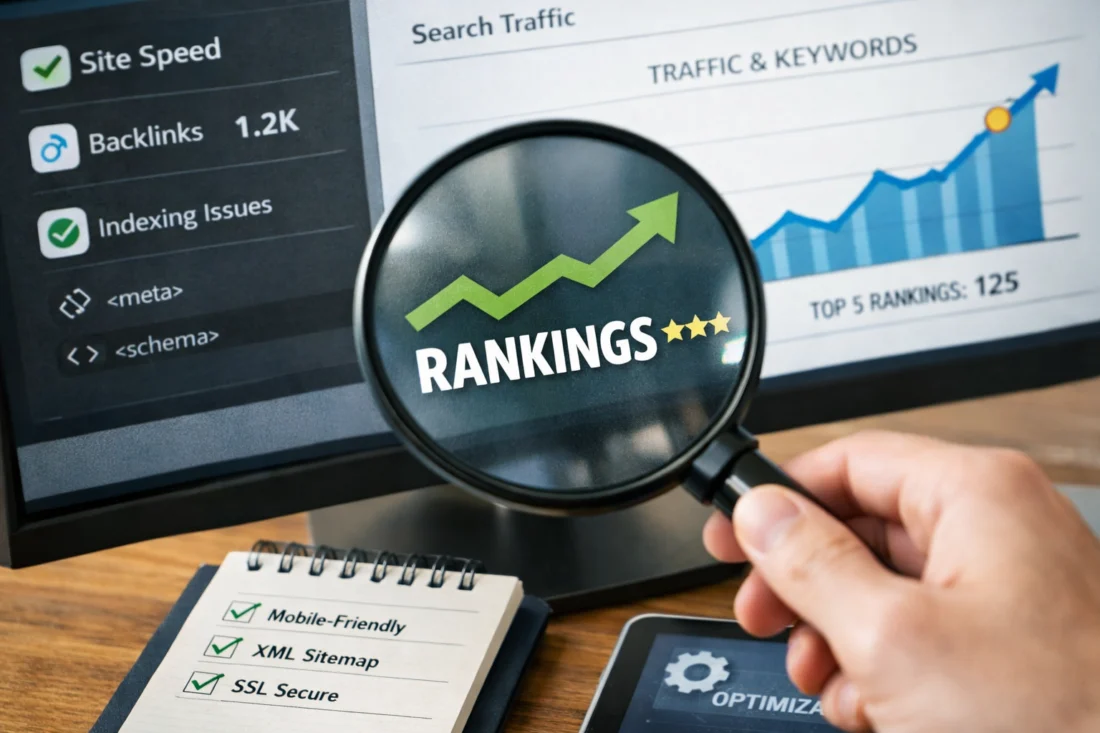
Search engines evaluate technical SEO through algorithms that assess various performance metrics, mobile usability, and secure connections. For example, Google’s Core Web Vitals measure key factors such as loading speed, user interactivity, and visual stability, all of which are vital for achieving high rankings. A robust technical SEO framework not only aligns with these essential metrics but also promotes practices for more environmentally responsible websites. Overlooking these technical elements can result in lost visibility opportunities and, consequently, lower rankings in search engine results. By focusing on greener website strategies, you can enhance both performance and sustainability.
In addition, focusing on technical SEO is essential for crafting effective methods to improve your site's organic reach. By ensuring your website loads quickly and is optimized for mobile devices, you can enhance user retention, minimize bounce rates, and boost engagement. These improvements indicate to search engines that your site is both valuable and relevant to visitors, which can further improve its potential ranking. For more insights, check out tips on increasing your website's organic traffic.
How to Optimize Technical SEO for Improved Rankings
Conducting a thorough technical SEO audit is the first step in optimizing your website for improved rankings. Start by using tools like Google Search Console and Screaming Frog to identify issues such as crawl errors, broken links, and duplicate content. Once you have a clear understanding of the existing problems, prioritize fixes based on their potential impact and the resources available. For instance, addressing site speed and mobile optimization should be high on your list due to their significant influence on user experience and search engine rankings.
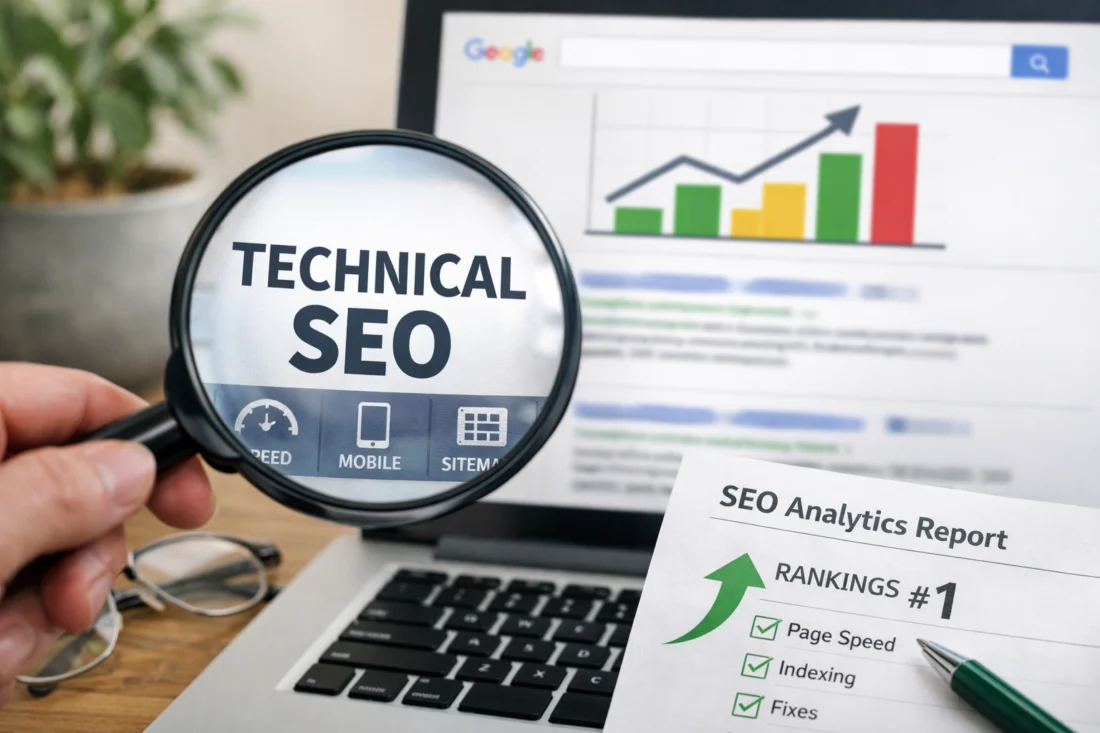
Key tools for technical SEO analysis include Google Lighthouse, SEMrush, and Ahrefs, which provide insights into various technical metrics. These tools help you track improvements over time and identify new areas for optimization. However, remember that technical SEO is not a one-time task but requires continuous monitoring and updates to keep up with evolving search engine algorithms.
To effectively increase organic traffic, it's essential to combine technical SEO strategies with other approaches, particularly in terms of visual elements that enhance user experience. A thoughtfully designed website not only improves navigation but also fosters engagement with your content. This comprehensive strategy helps ensure that your site remains competitive and achieves strong rankings in search results while demonstrating how visual design plays a critical role in SEO.
Common Mistakes in Technical SEO and How to Avoid Them
One of the most frequent errors in technical SEO is neglecting broken links and duplicate content, which can lead to poor user experience and reduced search engine rankings. Regularly conduct audits to identify and fix these issues. Another common mistake is misunderstanding the role of meta tags and headers, which, while important, are often overemphasized compared to more impactful elements like site speed and mobile optimization.
Ignoring the importance of mobile optimization in 2026 can severely harm your site’s ranking. With mobile searches dominating the market, ensuring your site is mobile-friendly is crucial. Use responsive design techniques to ensure your site adapts seamlessly to various screen sizes, enhancing user experience and search visibility.
OPTIMIZE WITH TECHNICAL SEO. ACHIEVE HIGHER RANKINGS.
Transform your website's performance with our technical SEO services. Ensure your site is fast, mobile-friendly, and search engine-ready to attract more visitors and convert them into customers.
SCHEDULE A FREE CONSULTATION
Poor URL structures can also negatively impact SEO. Ensure URLs are clean, descriptive, and use hyphens to separate words, making them easier for search engines and users to understand. Failing to optimize these aspects can result in lower rankings and missed opportunities for visibility and traffic.
Technical SEO Tools and Alternatives: What to Choose in 2026
In 2026, a variety of technical SEO tools are available, each offering unique features to aid in optimization. Screaming Frog and SEMrush are popular choices, providing comprehensive audits and actionable insights. Screaming Frog excels in identifying crawl errors and site structure issues, while SEMrush offers a broader suite of tools, including keyword research and competitor analysis.
The role of AI in technical SEO analysis is growing, providing automation and advanced insights that reduce the time and effort required for optimization. AI-powered tools can predict potential issues and suggest solutions, making it easier for businesses to maintain optimal website performance. However, for businesses with limited budgets, free tools like Google Search Console and GTmetrix offer valuable insights without the financial burden.
Unlock Your Website's Potential
Transform Your Technical SEO Today.
Enhance your search rankings with eDesignerz's expert technical SEO services. Optimize site speed, mobile-friendliness, and more to elevate your online visibility and engage your audience effectively.
Custom Solutions b7 Satisfaction Guaranteed b7 Discover Your Path to Success

Choosing between comprehensive suites and specialized tools depends on your specific needs and resources. Comprehensive suites offer all-in-one solutions but may be costly, while specialized tools provide focused insights on particular aspects of SEO, often at a lower cost. Evaluate these trade-offs to select the best tools for your technical SEO strategy.
Advanced Considerations in Technical SEO: Beyond the Basics
Structured data and schema markup play a significant role in enhancing search rankings by providing search engines with detailed information about your content. Implementing schema markup can improve your site’s visibility in search results and help optimize for featured snippets, which are crucial for attracting clicks.
For businesses targeting international audiences, understanding international SEO strategies is essential. Utilizing hreflang tags ensures search engines display the correct language and regional URLs to users, enhancing user experience and search visibility. Similarly, the impact of Core Web Vitals on technical SEO strategies cannot be overstated. Focus on these metrics to improve site performance and user satisfaction.

While technical SEO may seem complex, integrating it with other digital marketing efforts can yield substantial benefits. For instance, aligning technical SEO with content strategies can enhance both visibility and credibility, ensuring your website remains competitive in the ever-evolving digital landscape.
Frequently Asked Questions About the Impact of Technical SEO on Rankings
What is the difference between technical SEO and on-page SEO?
Technical SEO focuses on the website’s backend, ensuring search engines can crawl and index content efficiently. In contrast, on-page SEO practices involve optimizing individual pages for specific keywords and improving user experience through content and design.
How often should a technical SEO audit be conducted?
A technical SEO audit should be conducted at least twice a year to ensure optimal performance and adaptability to search engine algorithm changes. However, high-traffic sites might benefit from quarterly audits.
Does technical SEO affect local search rankings in 2026?
Indeed, technical aspects of SEO play a vital role in influencing local search rankings. Factors such as optimizing for mobile users and ensuring fast site speeds are essential components of enhancing your local visibility. These elements not only improve the user experience but also help your business attract nearby customers. For a comprehensive look at how to effectively reach these local audiences, check out local search visibility strategies.
What are the latest technical SEO trends to watch?
In 2026, keep an eye on trends such as the increasing use of AI for SEO analysis, the adoption of progressive web apps (PWAs), and the integration of voice search optimization to stay ahead in the competitive digital landscape.
How can I measure the impact of technical SEO improvements?
Metrics like organic traffic, bounce rates, and page load times can help assess the impact of technical SEO improvements. Regularly monitoring these KPIs enables you to make data-driven decisions to enhance your SEO strategy.
Optimize Your Website for Success.
Unlock Your Website's Potential.
Transform your site with our expert technical SEO solutions, ensuring faster load times, mobile optimization, and enhanced search visibility. Let's turn visitors into customers!
29+ Years of Experience Personalized Service Free Two Months of On-Page SEO After Launch
In conclusion, technical SEO is vital for achieving and maintaining high search engine rankings. As algorithms evolve, ongoing efforts in technical SEO are necessary to adapt and thrive in the digital landscape. Regular audits and staying informed about the latest trends are essential for success. For complex challenges, consulting with SEO professionals or leveraging advanced tools can provide the support needed to optimize your technical SEO strategy effectively. Start by performing a technical SEO audit today to unlock your website’s full potential.