

This guide covers How can local SEO help small businesses attract local customers? in practical terms—what to prioritize first, common pitfalls, and how to apply the ideas step by step.
Local SEO can significantly help small businesses attract local customers by optimizing their online presence for geographically relevant searches. This involves strategies like enhancing Google Business Profiles, using local keywords, and managing customer reviews, which are crucial for businesses aiming to connect with nearby consumers. By mastering local SEO, small businesses can improve visibility, increase foot traffic, and drive sales from their local community.
Last updated: April 2026
Contents
- 1 Understanding Local SEO and Its Importance for Small Businesses
- 2 Steps to Optimize Local SEO for Attracting Local Customers
- 3 Common Mistakes in Local SEO and How to Avoid Them
- 4 Comparing Local SEO Strategies for Different Business Types
- 5 Advanced Local SEO Techniques for Small Businesses in 2026
- 6 Frequently Asked Questions About Local SEO for Small Businesses
- 7 Conclusion
Understanding Local SEO and Its Importance for Small Businesses
Local SEO is a digital marketing strategy focused on optimizing a business’s online visibility for location-specific searches. Core components include Google Business Profile optimization, local keyword usage, online reviews, and local backlinks. These elements help search engines understand a business’s relevance to a user’s geographic location, thereby improving local search rankings.
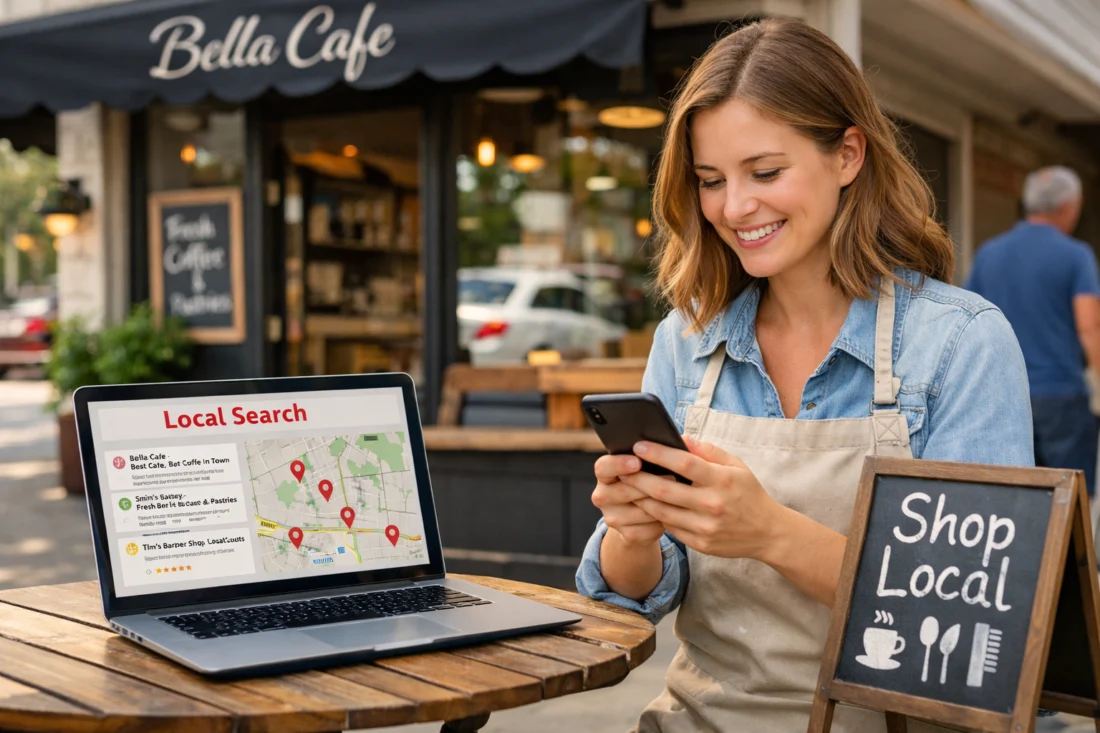
In 2026, local SEO is particularly crucial for small businesses as the trend of “near me” searches continues to grow. Consumers are increasingly using mobile devices and voice search to find local services and products, making it essential for businesses to appear in local search results. By leveraging local SEO, small businesses can tap into this trend and enhance their competitive edge over larger, non-local corporations.
Furthermore, local search trends have shifted consumer behavior significantly. Customers now expect immediate, relevant results when searching for local services, and businesses that effectively utilize local SEO are better positioned to meet these expectations. This competitive advantage allows small businesses to connect with potential customers at the exact moment they are looking to make a purchase, thereby increasing conversion rates.
Steps to Optimize Local SEO for Attracting Local Customers
One of the initial steps in enhancing your local search visibility is to claim and optimize your Google Business Profile. This process involves ensuring that your business information is accurate, uploading engaging photos, and actively seeking customer reviews. A well-completed and optimized profile significantly boosts your chances of appearing in relevant local searches and on Google Maps. For more insights on refining your local presence, check out best practices for local SEO techniques.
Researching and using local keywords is another crucial step. These keywords should reflect the specific terms customers use to find businesses like yours in your area. Tools like Google Keyword Planner can help identify relevant local keywords. Including these keywords in your website content, meta descriptions, and alt tags can enhance your local search presence.
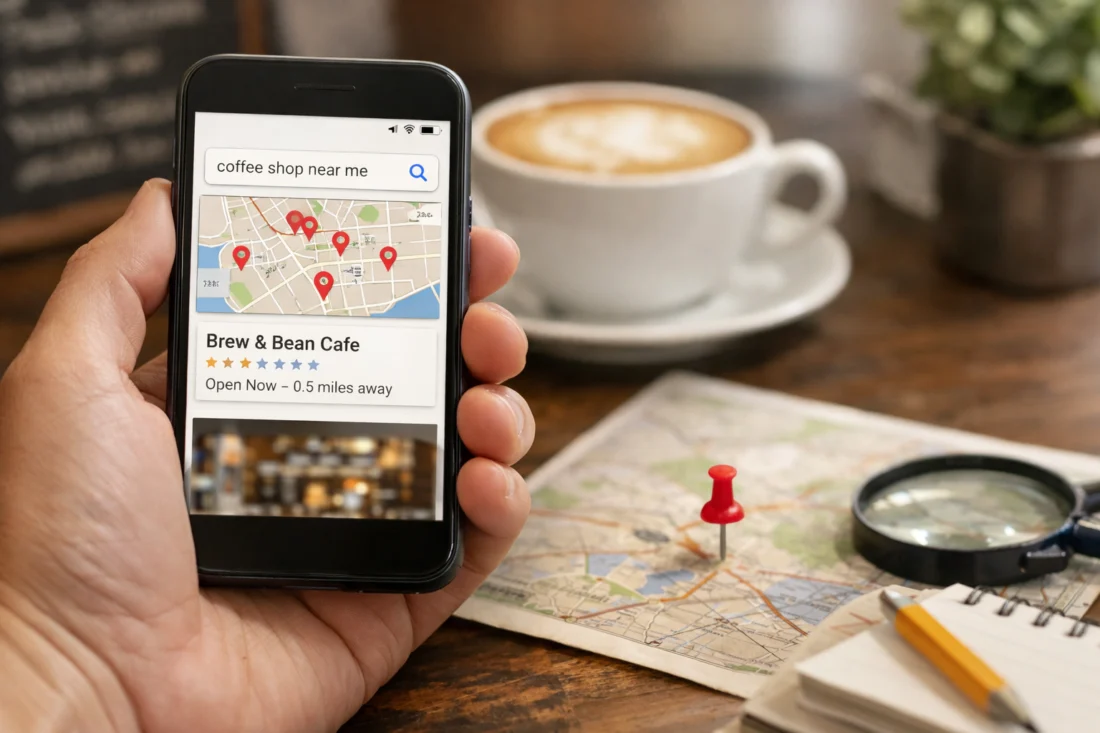
Online reviews and reputation management play a significant role in local SEO. Positive reviews not only improve your business’s online reputation but also influence local search rankings. Encouraging satisfied customers to leave reviews and responding promptly to feedback can enhance your credibility and attract more local customers.
Building local backlinks and citations further strengthens your local SEO efforts. Collaborating with local businesses, participating in community events, and getting listed in local directories are effective strategies for acquiring valuable backlinks. Additionally, local citations—mentions of your business name, address, and phone number on other websites—help verify your business’s existence and relevance to search engines.
The significance of having a mobile-responsive website is increasingly evident in local search results. A site that is optimized for mobile use and has fast loading times can greatly enhance your visibility in local search queries. By applying effective mobile optimization strategies, you can improve the overall user experience for those accessing your site through smartphones, which is essential as more people turn to their devices for local information.
Common Mistakes in Local SEO and How to Avoid Them
One common mistake in local SEO is inconsistent NAP (Name, Address, Phone) information across different platforms. Inconsistencies can confuse search engines and lower your local search rankings. To avoid this, ensure your business information is accurate and consistent on your website, Google Business Profile, and online directories.
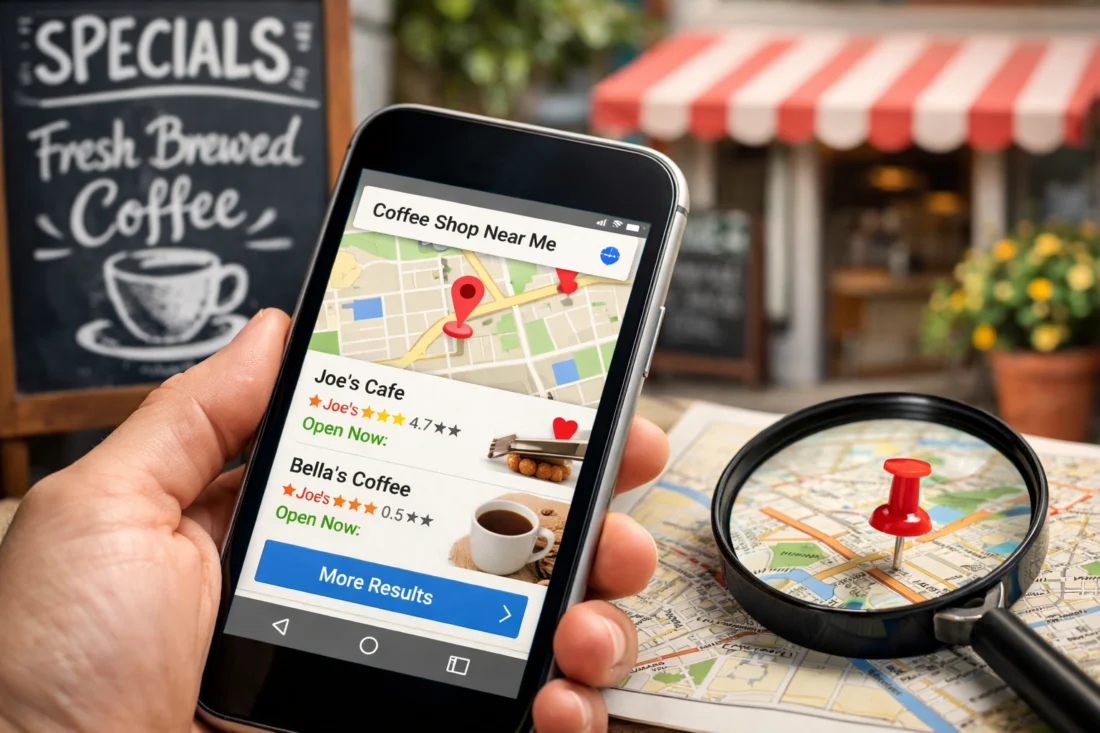
Neglecting customer reviews and feedback is another pitfall. Businesses that fail to engage with reviews—both positive and negative—risk damaging their online reputation. Regularly monitoring reviews and responding to customer feedback can help maintain a positive online image and improve local SEO results.
Ignoring local content and community engagement is a missed opportunity for many small businesses. Creating content that resonates with the local community and participating in local events can boost your local SEO efforts. Additionally, over-optimization and keyword stuffing can harm your search rankings. It’s important to focus on quality content that naturally incorporates relevant local keywords.
Comparing Local SEO Strategies for Different Business Types
Local SEO strategies can vary significantly between service-based and product-based businesses. Service-based businesses benefit from emphasizing service areas and customer reviews, while product-based businesses should focus on optimizing product listings and local keywords relevant to their offerings.
Brick-and-mortar businesses differ from online-only local businesses in their local SEO approach. Physical stores should prioritize local map listings and in-store promotions, whereas online businesses might focus on local content and online customer engagement to attract nearby customers.
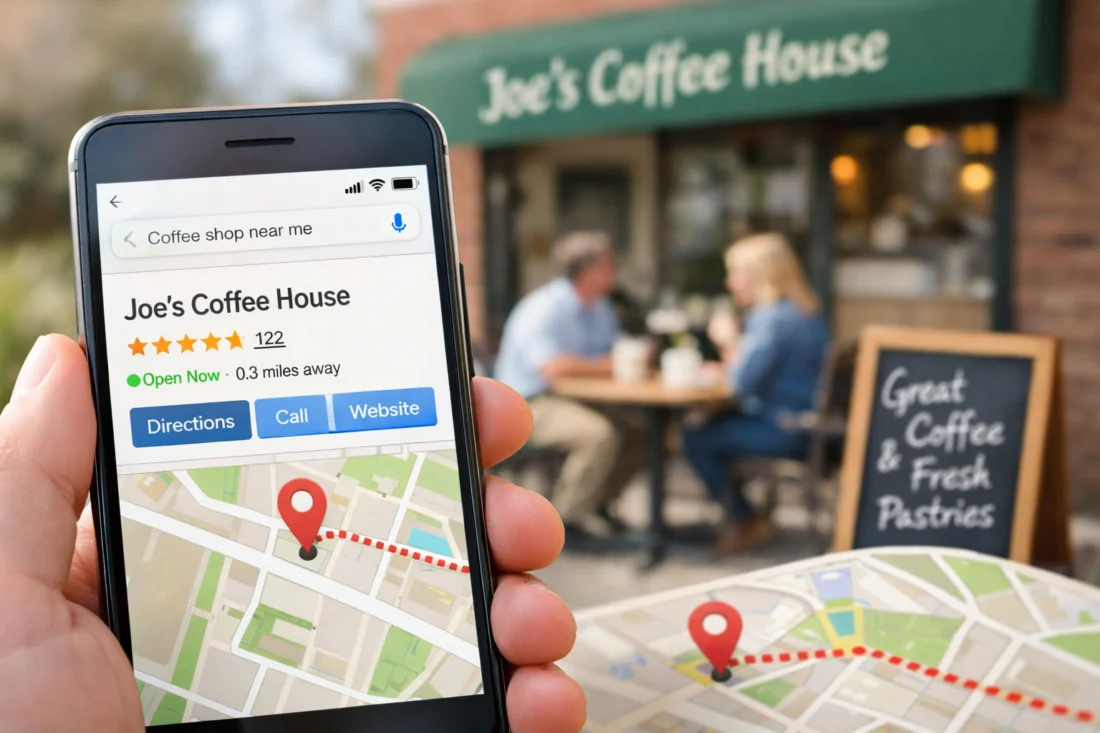
Urban and rural areas also present unique challenges for local SEO. Businesses in urban areas face more competition and should focus on differentiating themselves through niche keywords and community involvement. In contrast, rural businesses might focus on broader local keywords and partnerships with neighboring businesses to increase visibility.
Advanced Local SEO Techniques for Small Businesses in 2026
In 2026, advanced local SEO techniques include leveraging AI and machine learning to enhance marketing strategies. These technologies can analyze consumer behavior patterns and optimize content for better local search performance. Implementing such technologies can provide a competitive edge by delivering personalized marketing experiences.
Voice search strategies are increasingly important as more consumers use smart devices for local searches. Optimizing your website for voice search involves using natural language and long-tail keywords that reflect how people speak, not just how they type.
Augmented reality (AR) is another emerging technology that can enhance local customer experiences. AR can provide interactive and engaging experiences that attract local customers and encourage in-person visits. Integrating AR with local SEO efforts can create a unique selling point for your business.

Furthermore, integrating local SEO with broader digital marketing campaigns ensures a cohesive strategy that maximizes visibility and engagement. This includes synchronizing local SEO efforts with social media marketing, content marketing, and email campaigns to create a comprehensive approach to attracting local customers.
Frequently Asked Questions About Local SEO for Small Businesses
How does local SEO differ from traditional SEO?
Local SEO focuses on geographic relevance and proximity, optimizing a business’s online presence for local searches. In contrast, traditional SEO targets a broader, more general audience without the emphasis on location-specific keywords.
What are the best tools for local SEO in 2026?
In 2026, tools like Google’s Keyword Planner, Moz Local, and BrightLocal are popular for their ability to assist small businesses in optimizing their local SEO strategies effectively. These tools help with keyword research, citation management, and performance tracking.
How can small businesses measure the success of local SEO efforts?
Key performance indicators for local SEO include local search rankings, website traffic from local searches, and customer engagement metrics like reviews and social media interactions. Monitoring these metrics helps businesses assess the impact of their local SEO strategies.
Why is my business not appearing in local search results?
Visibility issues in local search results can stem from inconsistent NAP information, lack of reviews, or unoptimized Google Business Profiles. Ensuring accurate business information and actively managing online reviews can improve search visibility.
How can I improve my local SEO ranking quickly?
Quick-win strategies for boosting local SEO performance include optimizing your Google Business Profile, ensuring consistent NAP information, and acquiring more positive customer reviews. Engaging with local content and community events can also enhance local SEO efforts.
Conclusion
Local SEO plays a critical role in attracting local customers by improving online visibility and fostering community engagement. For small businesses, ongoing optimization and adaptation of local SEO strategies are essential for maintaining and enhancing their competitive edge. Evaluating current efforts and consulting with SEO experts can lead to increased visibility and customer engagement. Begin implementing these local SEO strategies today to unlock the potential for growth in your local market.