Learn how to avoid Google penalties with effective strategies for maintaining your website’s rankings and ensuring long-term online success.


In the digital age, User Experience (UX) has become a cornerstone of successful web design. A positive UX not only retains visitors but also drives them to convert into customers. The essence of UX revolves around how users interact with a website, encompassing factors such as usability, accessibility, and overall satisfaction.
To create an exceptional UX, designers must start by understanding the target audience thoroughly. This understanding helps in tailoring the website’s design to meet user expectations. For instance, incorporating best practices for website navigation simplifies the process of finding information and enhances user satisfaction. A well-organized site structure reduces frustration and encourages users to explore further.
Additionally, visual elements play a crucial role in shaping user emotions and perceptions. Implementing principles from color theory in web design can significantly enhance the appeal of a site. Colors evoke emotions; thus, selecting an appropriate palette can influence how a brand is perceived and how users feel during their interaction with the site.
Moreover, ensuring mobile optimization is essential in today’s multi-device world. With many users accessing websites via smartphones, a responsive design that adapts to various screen sizes improves UX immensely. Techniques such as micro-interactions—subtle animations or feedback during user actions—can also elevate the quality of the experience. By implementing micro-interactions, designers can create engaging moments that leave lasting impressions, encouraging repeat visits.
Furthermore, performance factors like loading speed are pivotal in retaining visitors. A delay of just a few seconds can lead to increased bounce rates. Hence, optimizing images and streamlining code are vital practices that enhance site speed and overall UX.
In conclusion, User Experience is a vital aspect of web design that should not be overlooked. Designers must leverage user feedback to ensure their websites meet visitor needs while integrating psychological principles of design for maximum impact. By focusing on user-centric strategies, businesses can foster loyalty, enhance brand perception, and drive conversion rates, establishing a strong foothold in an increasingly competitive digital landscape. Prioritizing UX in web design is more than just a trend; it’s a strategic imperative that contributes to sustained success.
Learn how to avoid Google penalties with effective strategies for maintaining your website’s rankings and ensuring long-term online success.

Welcome to our guide on web design Salem Oregon! If you’re a business owner in Salem, you know how important it is to have a great website. Your website is like your digital storefront. It shows off who you are and what you do. Nowadays, many customers look online...
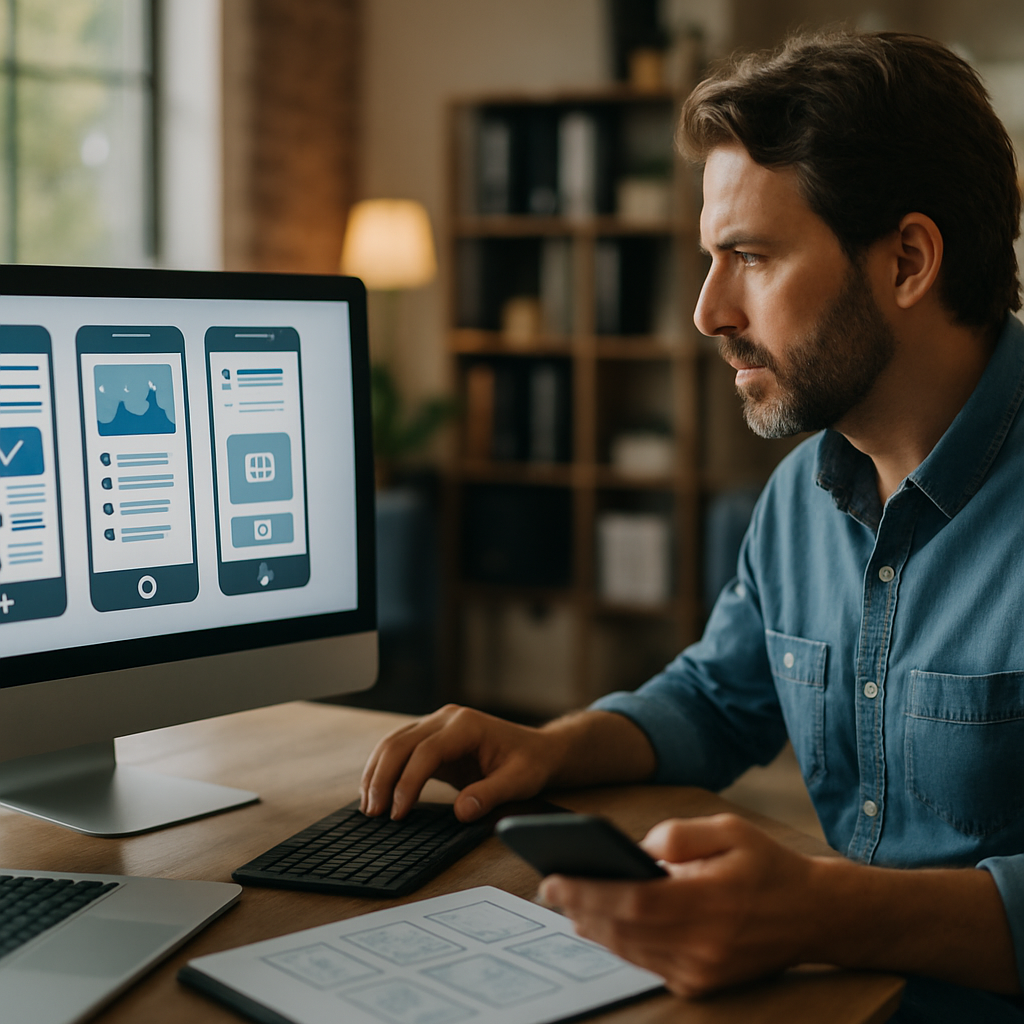
Discover the unique charm of Salem Oregon UX/UI design, where creativity thrives in a friendly community. Explore local insights and innovative ideas!

Explore effective web design consulting in Salem, Oregon! Discover how local expertise enhances your online presence and connects with the community.
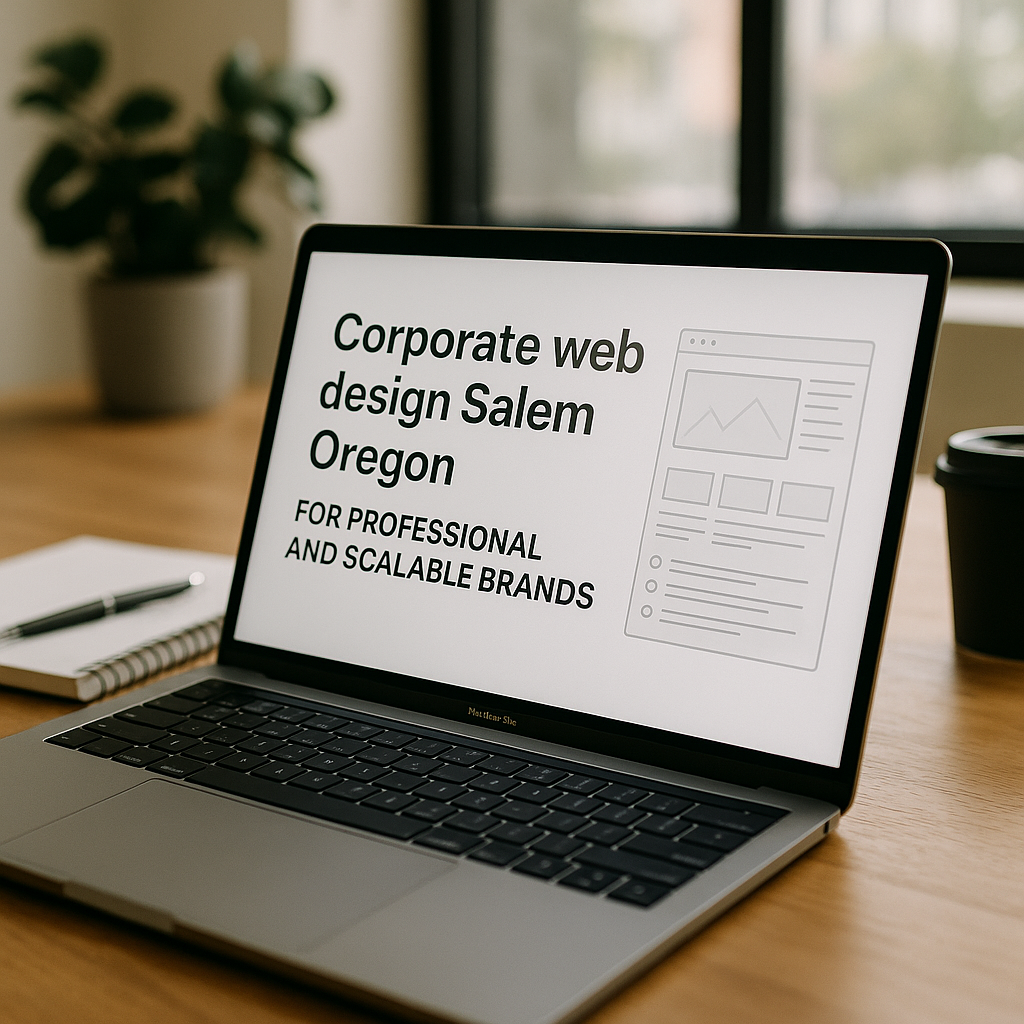
Explore the vibrant world of corporate web design Salem Oregon, where local charm meets modern aesthetics for impactful online presence.
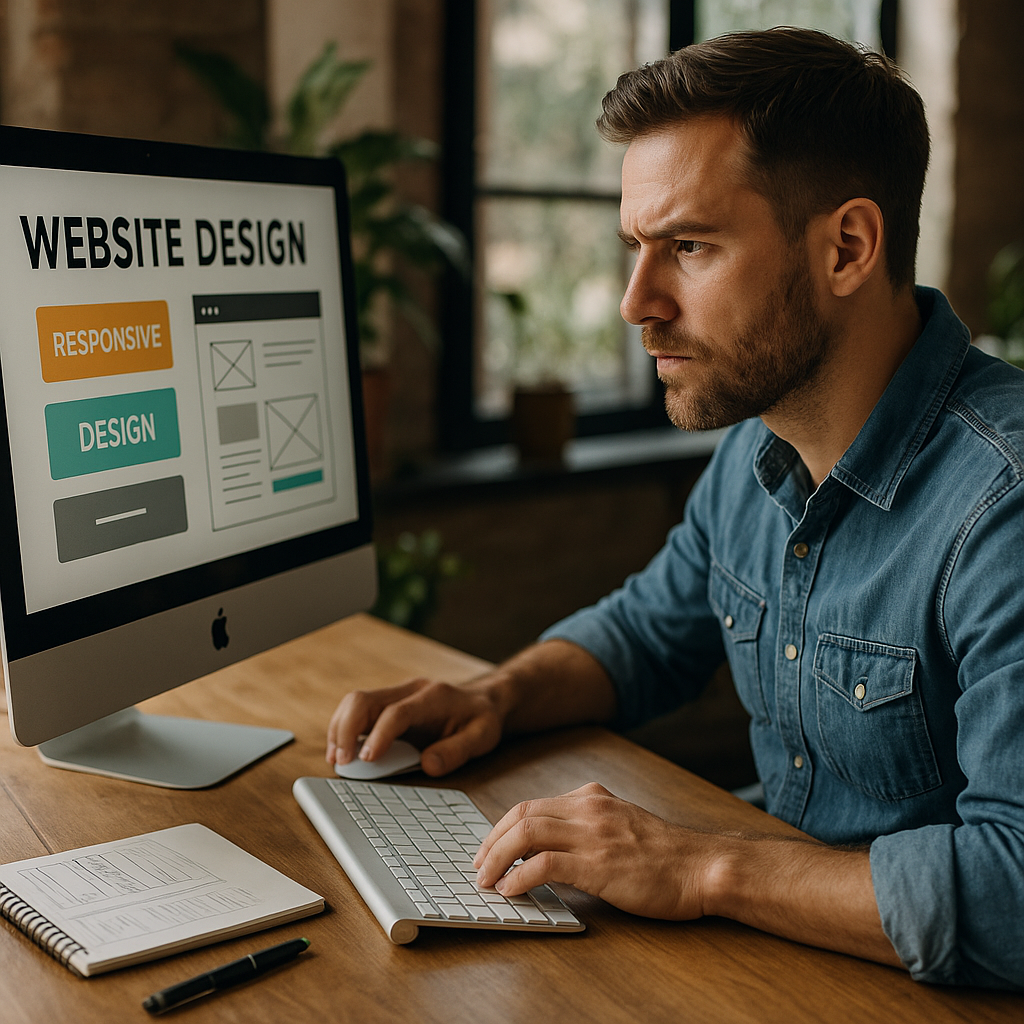
Discover top web design specialists in Salem, Oregon, and learn how to choose the right designer for your project. Explore local options today!
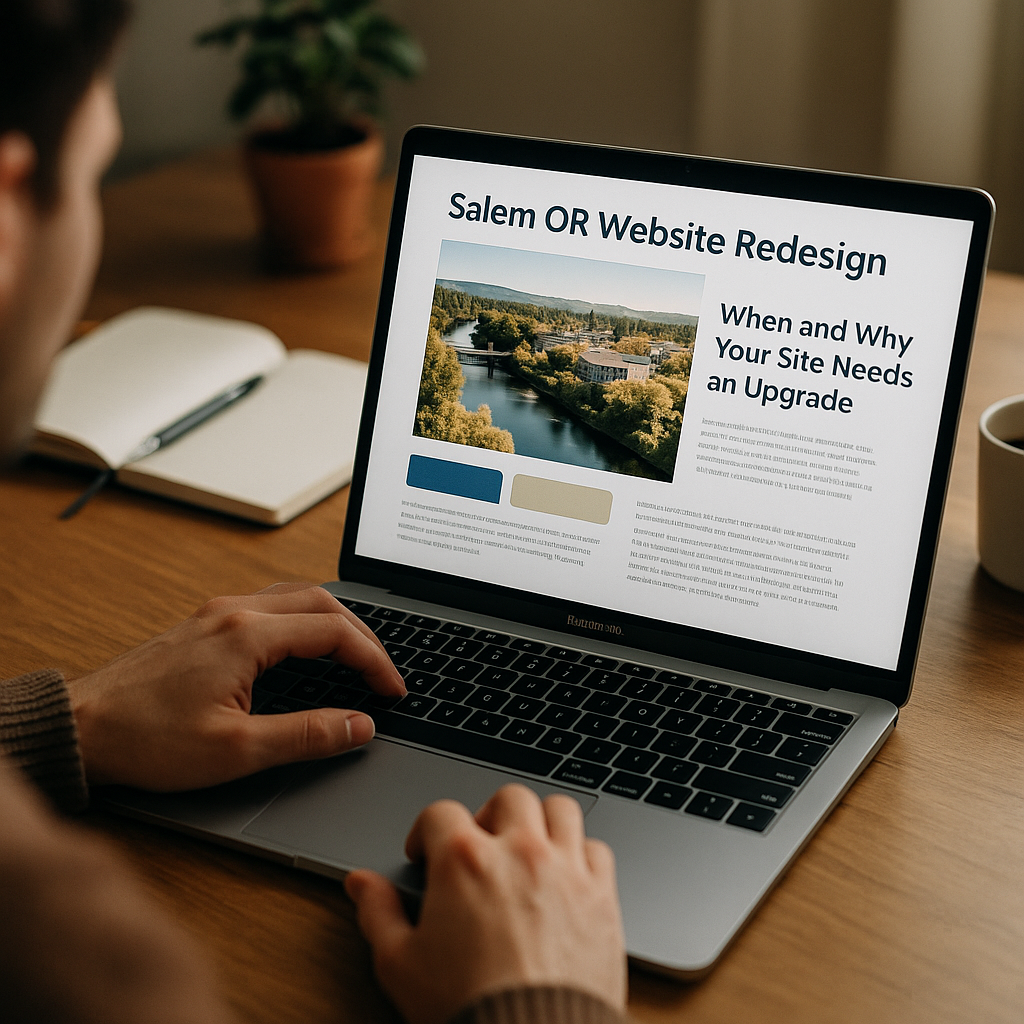
Explore the journey of Salem OR website redesign, capturing the city’s spirit while making it user-friendly and engaging for all community members.

Discover the value of Salem Oregon custom websites that reflect local charm, enhance SEO, and create a personalized online presence for your business.
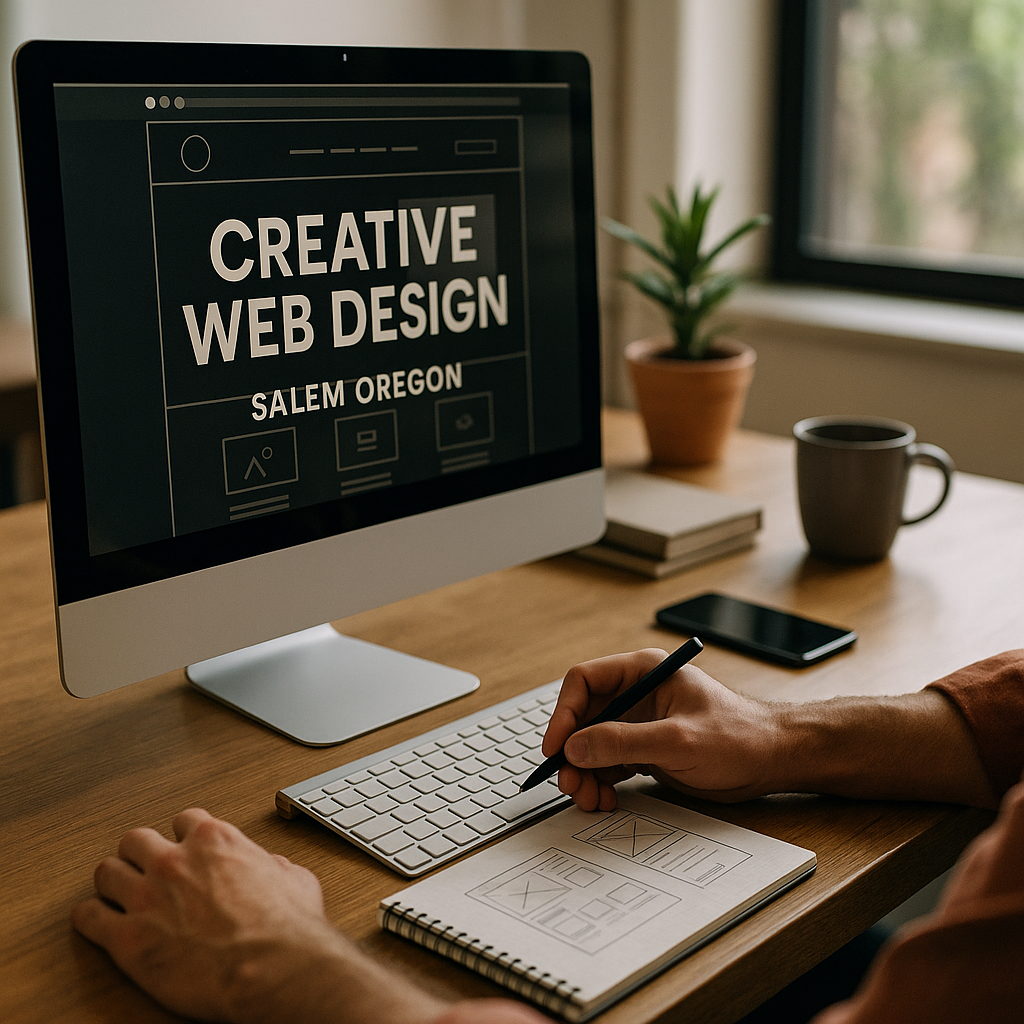
Discover the charm of Creative web design Salem Oregon. Explore local artistry and innovative web design tips to elevate your online presence!
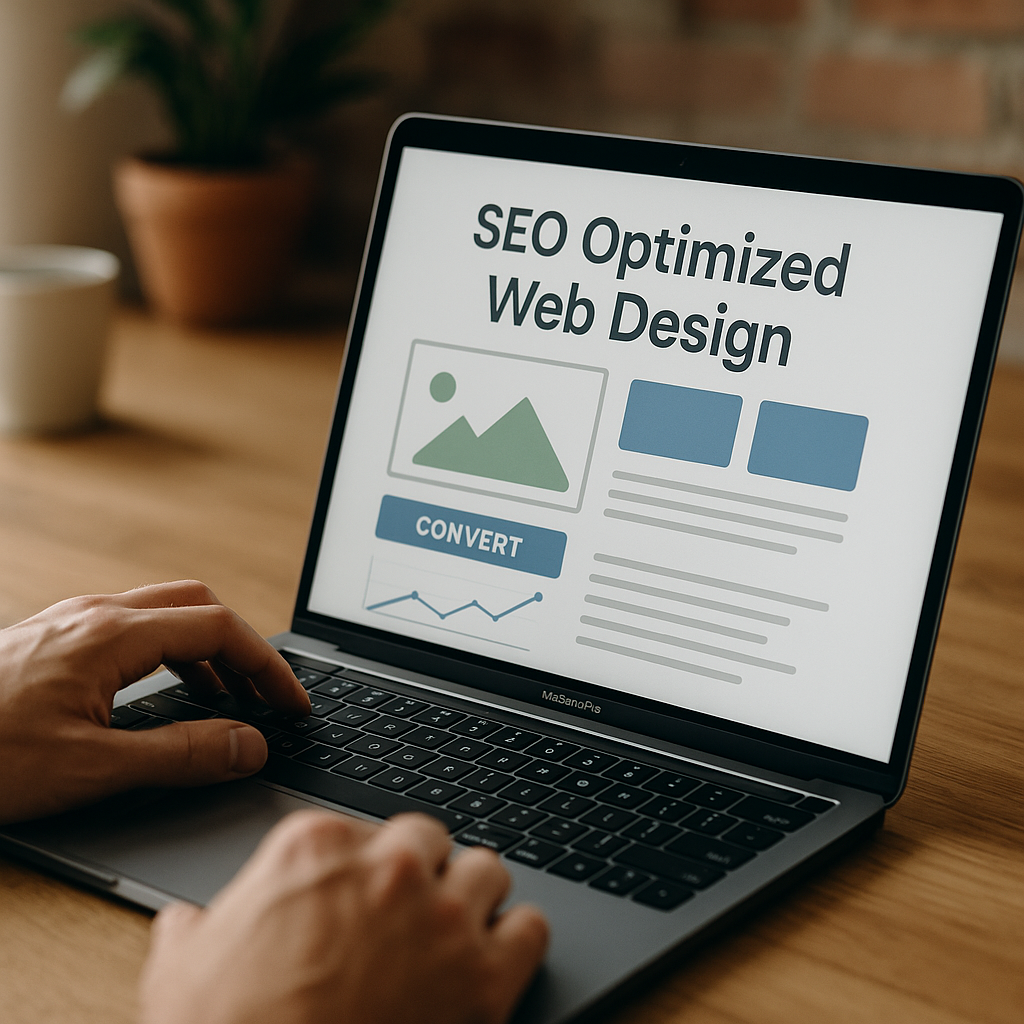
Unlock the potential of your business with SEO optimized web design Salem Oregon. Discover tips to boost visibility and attract local customers online!