
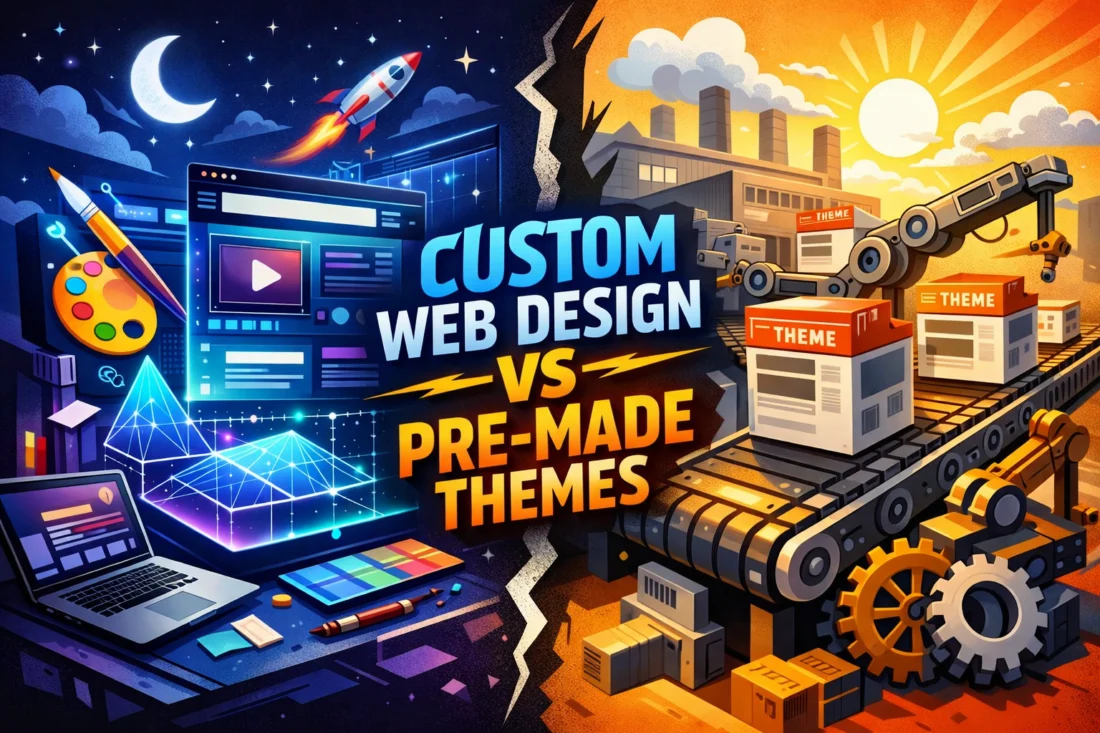
In the digital age, choosing the right web design approach is crucial for businesses and individuals aiming to establish a strong online presence. The debate of “Custom web design vs Pre-Made Themes” revolves around two distinct strategies: custom web design offers a tailored and unique experience, while pre-made themes provide a quick and cost-effective solution. Understanding the core differences and implications of each can aid in making an informed decision that aligns with your goals and resources.
Last updated: April 2026
Contents
- 1 Understanding Custom Web Design
- 2 Exploring Pre-Made Themes
- 3 How to Choose Between Custom Web Design and Pre-Made Themes
- 4 Common Mistakes and Misconceptions
- 5 Advanced Considerations in Web Design Choices
- 6 Comparing Options: Customization vs. Convenience
- 7 Frequently Asked Questions About: Custom Web Design vs Pre-Made Themes
- 7.1 What is the difference between custom web design and pre-made themes?
- 7.2 Can pre-made themes be customized?
- 7.3 How do I decide which web design option is best for my business?
- 7.4 Are custom web designs more SEO-friendly than pre-made themes?
- 7.5 What are the hidden costs of custom web design?
- 7.6 How long does it take to develop a custom website compared to using a theme?
- 7.7 What are the best pre-made themes for small businesses in 2026?
- 7.8 Is it possible to switch from a pre-made theme to a custom design later on?
- 7.9 What should I look for in a web designer or theme provider?
Understanding Custom Web Design
Custom web design is a personalized approach to creating a website that aligns with specific business needs and branding objectives. Unlike generic solutions, custom designs are crafted from scratch, allowing for complete control over aesthetics, functionality, and user experience. This process typically involves collaboration between the client and web designers, starting from wireframes and mockups to the final launch. The ability to tailor every aspect of a site makes custom web design a powerful tool for branding and achieving unique business goals.
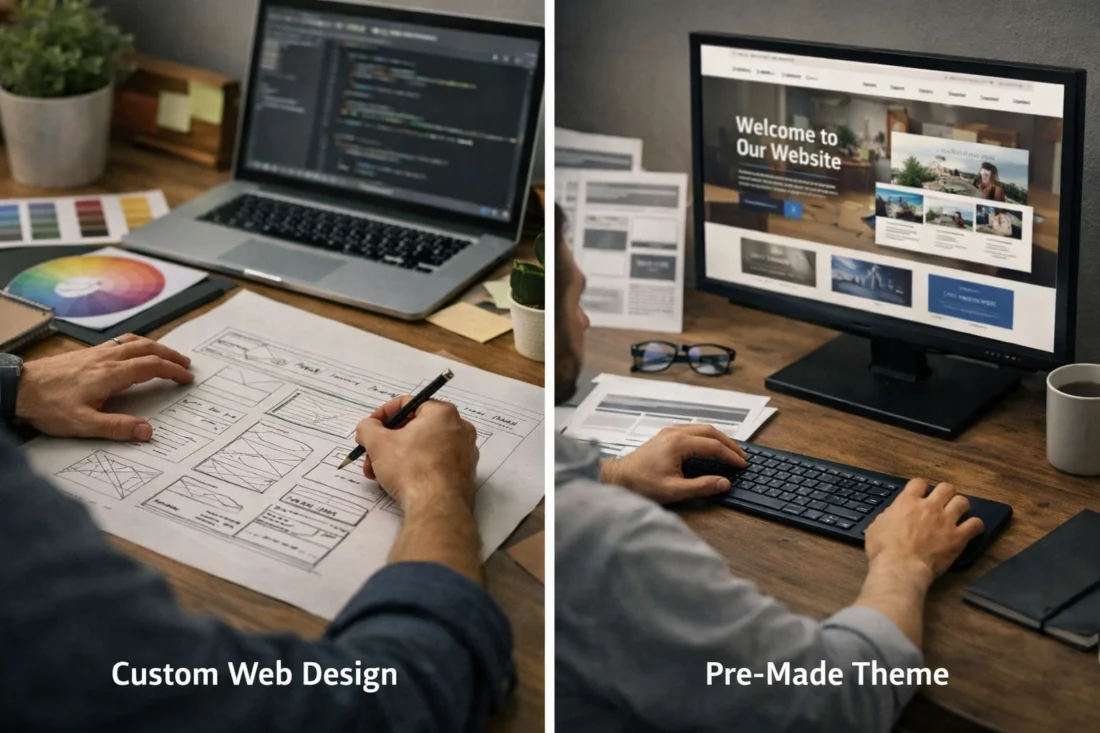
One of the primary benefits of custom web design is its capacity for detailed customization, which can significantly enhance branding efforts and functionality. By aligning the website’s design with the company’s identity, it helps in creating a cohesive and recognizable brand image. Furthermore, custom designs can incorporate specific features that cater to the unique needs of a business, such as complex e-commerce functionalities or interactive elements that boost user engagement.
However, the bespoke nature of custom web design often comes with higher costs and longer development times. The investment reflects the value of a website that not only stands out but also effectively supports business strategies. For businesses considering this route, it is essential to “choose wisely in Salem” by evaluating the potential return on investment and the strategic advantages a custom design can offer.
Exploring Pre-Made Themes
Pre-made themes are pre-designed website templates that users can purchase and install, typically on content management systems like WordPress. These themes cater to a wide range of industries and styles, offering a quick and affordable way to establish an online presence. Their ready-to-use nature makes them particularly appealing to startups and small businesses with limited budgets.
The primary advantage of pre-made themes lies in their ease of use and cost-effectiveness. Users can quickly deploy a professional-looking website without the need for extensive design skills or a significant financial investment. This accessibility allows businesses to “boost your business” online swiftly, which is critical in competitive markets.
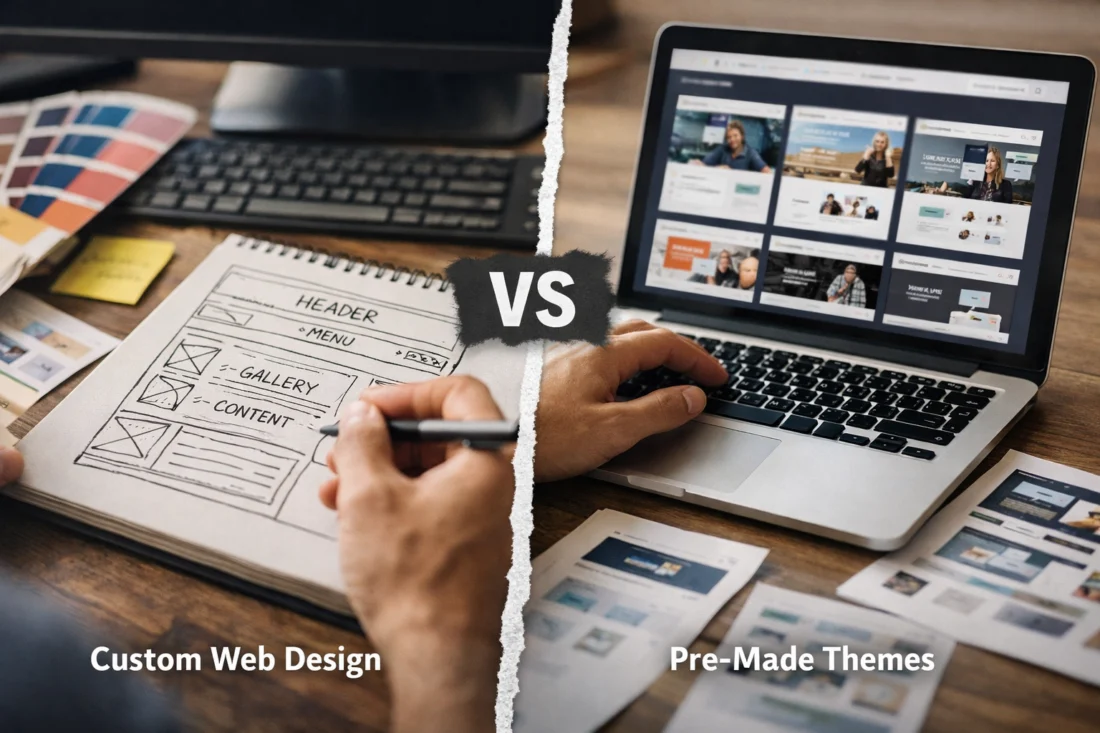
However, pre-made themes do have limitations. They often offer limited customization options, which can result in a generic appearance that may not fully capture a brand's essence. Additionally, the widespread use of popular themes can make it challenging to stand out in a crowded digital landscape. Furthermore, pre-made themes may negatively affect website performance and search optimization, which can hinder your overall strategy for improving your business's visibility. For insights on how to enhance your local SEO efforts, check out effective strategies for search engine optimization in Salem, Oregon.
How to Choose Between Custom Web Design and Pre-Made Themes
Choosing between custom web design and pre-made themes involves evaluating factors such as budget, timeline, and specific business needs. A custom design is ideal for businesses with unique models or those requiring specialized functionalities. It is also preferable when the brand image is a top priority and there is a need for extensive customization.
On the other hand, pre-made themes are suitable for startups or small businesses with constrained budgets and tight timelines. They provide a practical solution for launching a website quickly without significant financial outlay. However, it is crucial to consider “long-term scalability and maintenance needs” to ensure that the chosen option can adapt to future growth and technological changes.
Ultimately, the decision should be aligned with the business's strategic goals and resources. Consulting with web design professionals or conducting thorough research can aid in selecting a Salem web design partner to navigate this critical decision-making process.
Common Mistakes and Misconceptions
A prevalent misconception is that pre-made themes are always the most budget-friendly choice. While they may seem less expensive at first, these templates can lead to extra costs down the line due to their limited adaptability and the necessity for third-party plugins. To improve their website's performance, businesses can learn to recognize key design pitfalls to dodge, ensuring their web design can scale with future growth and better serve user needs.
Another mistake is underestimating the impact of web design on user experience. A poorly designed website can deter visitors and harm a brand’s reputation, underscoring the importance of investing in quality design. Both custom and pre-made options should prioritize user-friendly interfaces and “mobile-friendly design benefits” to enhance visitor engagement and satisfaction.
There is a common belief that having a custom design will automatically enhance SEO performance. While it's true that custom websites can be optimized effectively, the success of SEO relies on a variety of factors, including the quality of content and website speed. Implementing sound SEO practices is crucial for both custom-built and template-based sites, as discussed in the impact of visual design on SEO.
Advanced Considerations in Web Design Choices
Web design plays a crucial role in digital marketing strategies, influencing everything from brand perception to conversion rates. A well-designed site can integrate seamlessly with third-party tools and plugins, enhancing functionality and user experience. However, it’s essential to evaluate the potential for security vulnerabilities in both custom and pre-made options.
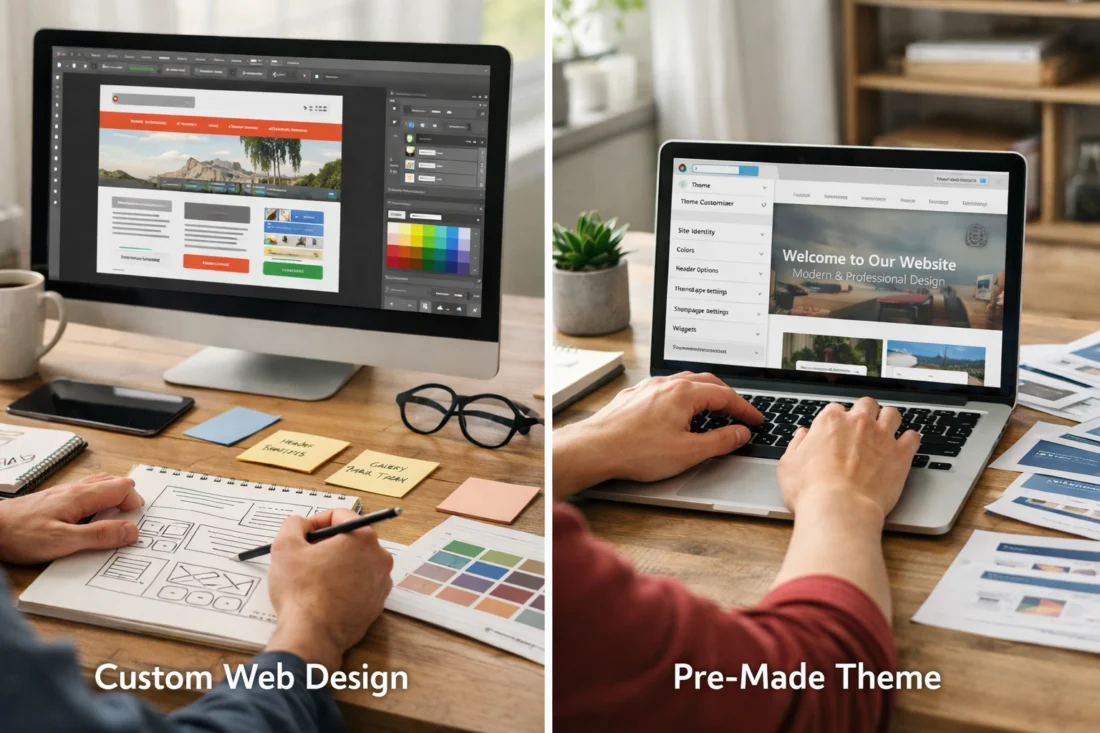
Site speed and mobile responsiveness are critical factors in today’s digital landscape. A slow or non-responsive site can lead to higher bounce rates and negatively impact search engine rankings. Ensuring that the chosen web design supports fast loading times and is optimized for mobile devices is essential for maintaining competitiveness and capitalizing on “e-commerce design strategies.”
Security is another consideration, as vulnerabilities can lead to data breaches and damage trust. Custom designs can incorporate advanced security measures tailored to specific needs, while pre-made themes often require regular updates and additional plugins to enhance security. Selecting the “right maintenance service” is crucial to ensure ongoing protection and optimal performance.
Comparing Options: Customization vs. Convenience
| Criteria | Custom Web Design | Pre-Made Themes |
|---|---|---|
| Customization | High | Limited |
| Cost | Higher upfront | Lower upfront |
| Time to Deploy | Longer | Shorter |
The choice between customization and convenience often boils down to the trade-offs between flexibility and speed. Custom web designs offer unmatched flexibility, allowing businesses to create a unique online presence that truly reflects their brand. However, the process can be time-consuming and costly.
Pre-made themes, conversely, offer the convenience of quick deployment and are budget-friendly. They are ideal for businesses that need to get online rapidly without extensive customization. Yet, the trade-off is often in the form of a more generic look and limited adaptability.
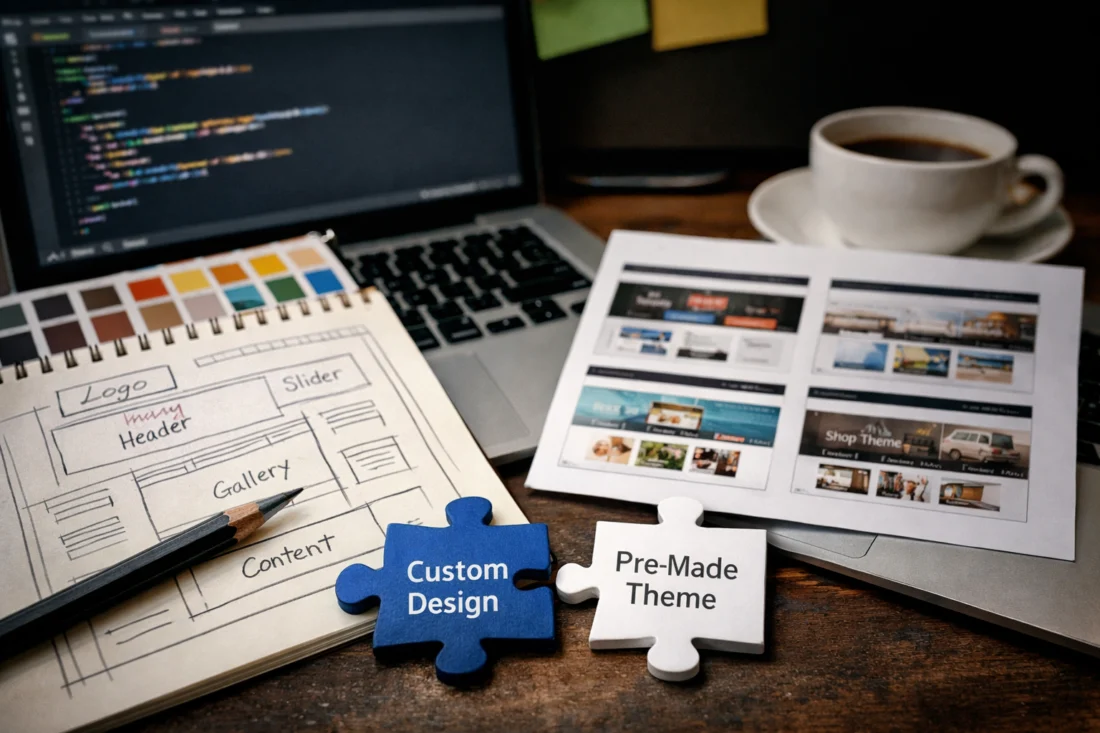
The impact on brand identity and customer perception is significant. Custom designs can enhance brand recognition and customer trust, while pre-made themes might struggle to convey a unique brand message. Ultimately, the decision should be guided by the business’s objectives and the strategic importance of the website in achieving those goals.
Frequently Asked Questions About: Custom Web Design vs Pre-Made Themes
What is the difference between custom web design and pre-made themes?
Custom web design involves creating a website from scratch to meet specific needs, offering unique flexibility and branding opportunities. Pre-made themes are ready-to-use templates that provide a more generic, cost-effective solution.
Can pre-made themes be customized?
Yes, pre-made themes can be customized to some extent, such as changing colors, fonts, and layouts. However, the level of customization is limited compared to custom web designs.
How do I decide which web design option is best for my business?
Consider factors such as budget, timeline, and specific business needs. Custom web design is ideal for unique branding and functionality, while pre-made themes are suitable for quick, cost-effective deployment.
Are custom web designs more SEO-friendly than pre-made themes?
Custom web designs can be optimized for SEO more effectively, but pre-made themes can also perform well with proper optimization practices. SEO depends on various factors beyond the design choice.
Beyond initial development costs, custom web design may incur additional expenses for ongoing maintenance, updates, and enhancements to keep the site competitive and secure.
How long does it take to develop a custom website compared to using a theme?
Developing a custom website can take several weeks to months, depending on complexity, while using a pre-made theme can significantly reduce the timeline, often allowing launch within days.
What are the best pre-made themes for small businesses in 2026?
Popular themes for small businesses in 2026 include Divi, Astra, and OceanWP, known for their flexibility, performance, and ease of customization.
Is it possible to switch from a pre-made theme to a custom design later on?
Yes, transitioning from a pre-made theme to a custom design is possible, but it can be a complex process that may involve transferring content and ensuring compatibility with new features.
What should I look for in a web designer or theme provider?
Look for experience, a strong portfolio, and positive client reviews. Ensure they understand your business needs and can provide ongoing support and maintenance.
In conclusion, the decision between custom web design and pre-made themes should align with your business goals and resources. Each option offers distinct advantages and trade-offs, emphasizing the importance of thorough research and consultation with professionals to ensure a choice that supports your long-term strategy.