
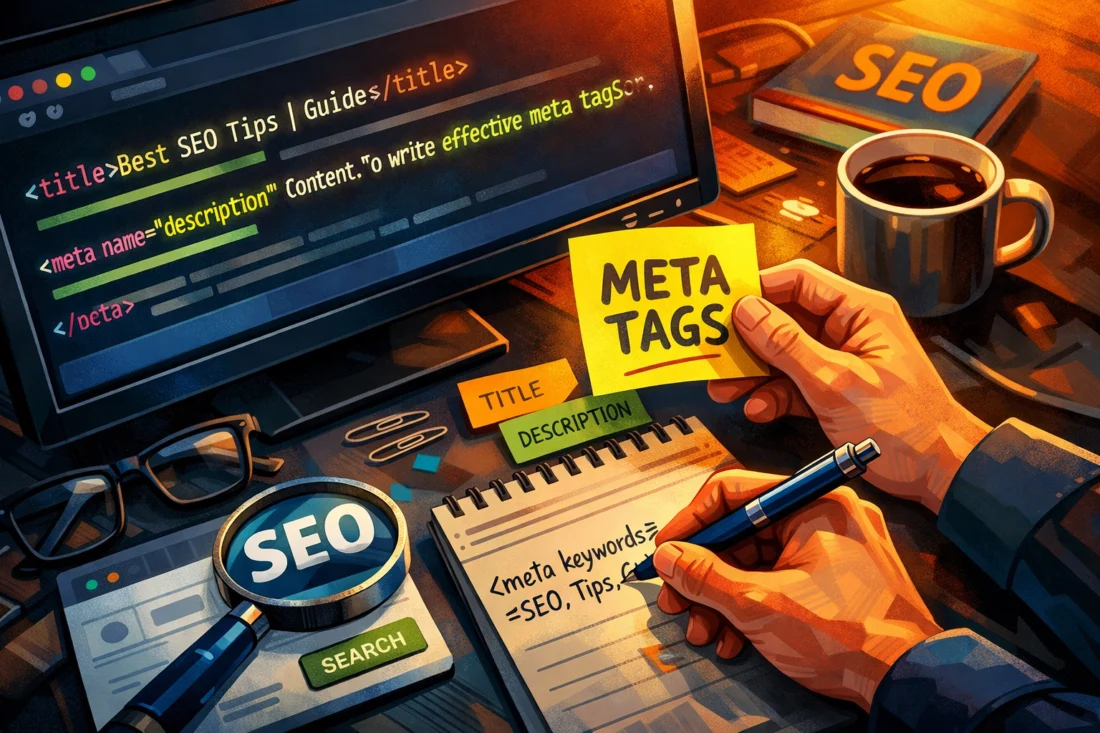
Meta tags play a crucial role in search engine optimization by influencing how search engines perceive and rank a webpage. Effective meta tags not only boost a page’s visibility in search results but also enhance click-through rates by providing users with relevant and enticing snippets of information. Understanding how to write effective meta tags for SEO – search engine optimization can significantly impact your website’s performance and visibility. In this article, we will explore the intricacies of crafting impactful meta tags, ensuring they align with both user intent and search engine algorithms.
Last updated: April 2026
Understanding Meta Tags and Their Role in SEO
Meta tags are snippets of text that describe a page’s content; they don’t appear on the page itself but only in the page’s code. In search engine optimization, meta tags serve as an essential component by helping search engines understand the content of a site. The primary types of meta tags include title tags and meta descriptions, each fulfilling distinct roles. Title tags define the webpage’s title, which is visible in search engine results and browser tabs, while meta descriptions provide a brief summary of the page’s content, influencing click-through rates.

Meta tags are pivotal in communicating a page’s relevance to search engines. A well-crafted title tag can boost a site’s visibility in search results, while an engaging meta description can attract more users to click on the link. These tags essentially bridge the gap between search engine algorithms and user engagement, making them indispensable in a successful SEO strategy.
However, crafting effective meta tags requires a careful balance. Over-optimizing or keyword stuffing can lead to penalties, while under-optimizing can result in missed opportunities for ranking and user engagement. It’s crucial to write meta tags that are both keyword-rich and naturally readable, ensuring they align with user intent while adhering to SEO best practices.
How to Create Effective Meta Tags for SEO Success
To create compelling meta tags, it’s essential to start with solid keyword exploration techniques. By implementing effective approaches to identify relevant and high-traffic keywords, you can enhance your meta tags significantly. After compiling your target keywords, focus on crafting engaging and succinct meta descriptions that reflect your content's core message. The goal is to write descriptions that are both informative and enticing, encouraging users to click through to your link. For more insights on how to find high-traffic keywords, check out keyword exploration methods.
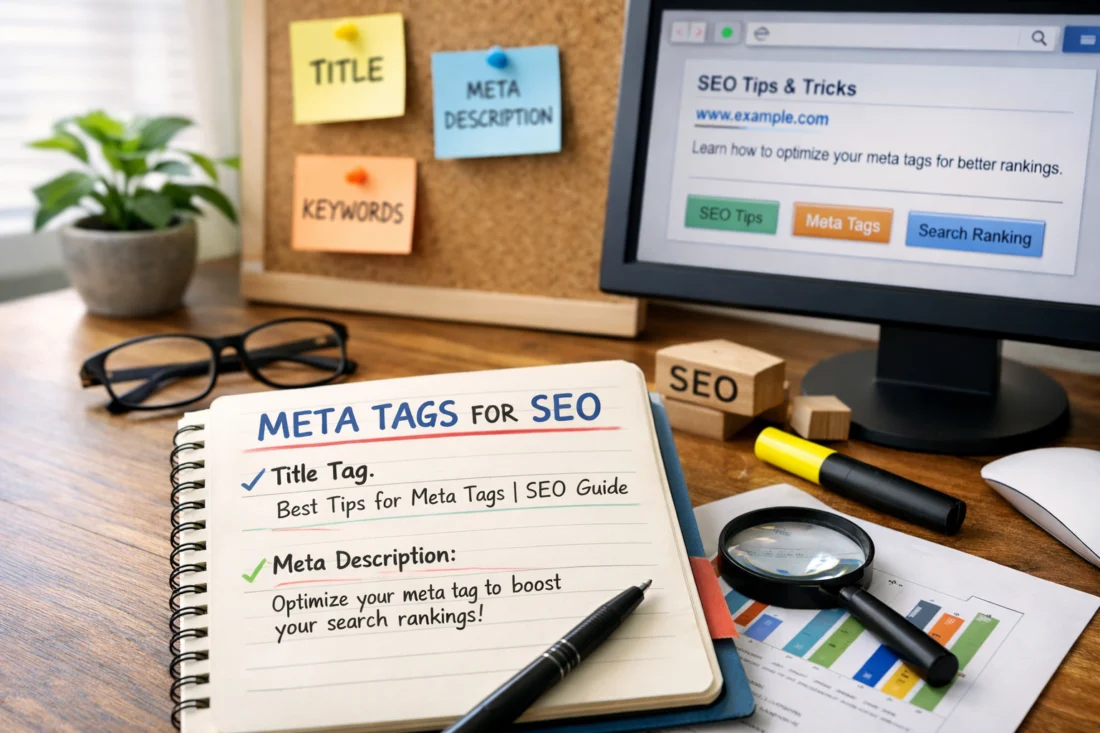
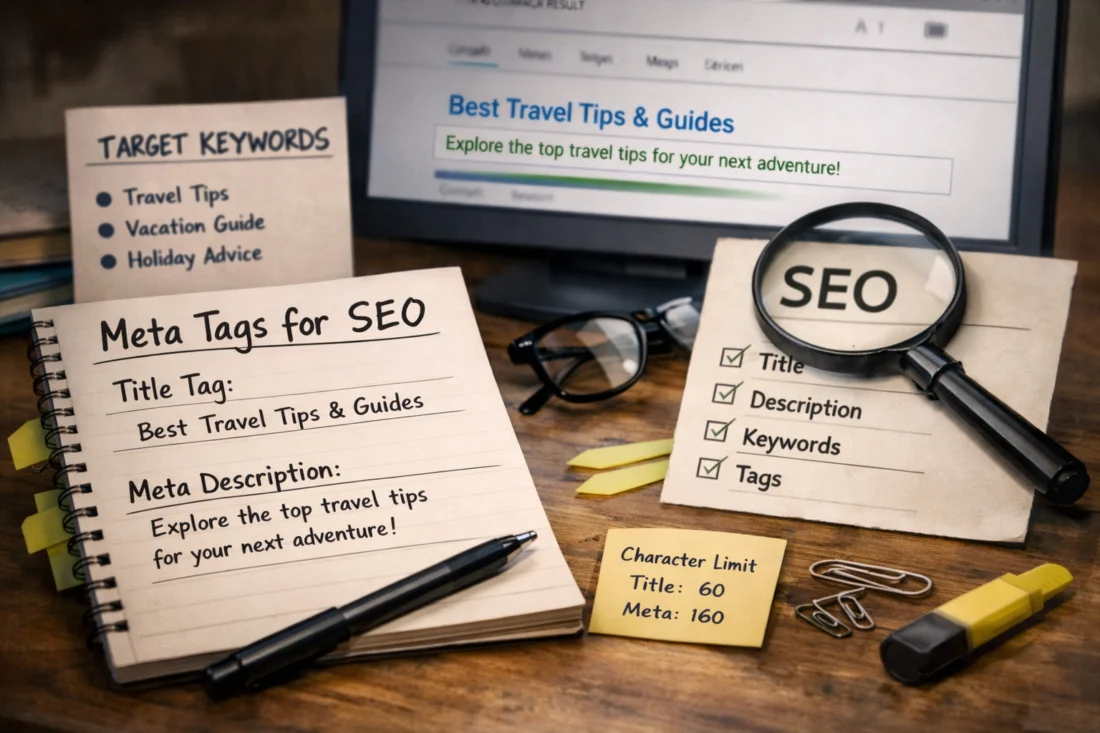
When optimizing title tags, it’s important to focus on both search engine visibility and user engagement. Title tags should be descriptive, include the primary keyword, and adhere to character limits—typically around 50-60 characters—to ensure they display correctly in search results. Balancing keyword inclusion with natural language is key to maintaining readability and relevance.
Character limits are a critical consideration in meta tag optimization. Exceeding these limits can result in truncated tags, diminishing their effectiveness. It’s essential to remain concise while ensuring the tags accurately reflect the page’s content. By following these guidelines and continually refining your meta tags through testing and updates, you can enhance your SEO success.
Common Mistakes in Writing Meta Tags for SEO
One of the most common mistakes in writing meta tags is keyword stuffing, which involves overusing keywords in an attempt to manipulate search rankings. This practice can lead to penalties and diminish a page’s visibility. Instead, focus on incorporating keywords naturally within the context of concise and descriptive tags. Additionally, using generic or non-descriptive meta descriptions can fail to engage users, resulting in lower click-through rates.
Another frequent pitfall is the use of duplicate meta tags across multiple pages. This can confuse search engines and lead to pages competing against each other for rankings. Each page should have unique and tailored meta tags that accurately represent its content. As your content evolves, it’s important to update meta tags to ensure they remain relevant and effective.
A common misconception is that meta tags alone can guarantee high rankings. While they are a critical component of SEO, they must be part of a comprehensive strategy that includes “on-page SEO techniques” and other optimization efforts. Regularly reviewing and updating your meta tags as part of an overall SEO strategy is essential for maintaining competitive rankings.
Struggling to boost your site's visibility? Let eDesignerz create customized meta tags that effectively communicate your content's relevance, driving more traffic and improving click-through rates. Upgrade your SEO strategy with our expert services today!
Request a Free ConsultationAlternative Approaches to Meta Tag Optimization
While manually writing meta tags allows for precise control and customization, automated tools can streamline the process, especially for large websites. However, automated tools may lack the nuance needed for optimal engagement, making manual oversight necessary. A/B testing is another valuable approach, enabling you to compare different meta tag versions to determine which performs best in terms of click-through rates and rankings.
Dynamic meta tags offer a solution for websites with extensive content, such as e-commerce sites. These tags automatically generate descriptions based on page content, saving time and effort. However, they may not always capture the unique qualities of a page, requiring manual adjustments for optimal results. Considering your industry needs and website type will help determine the best approach for your meta tag strategy.

For example, companies in various sectors can gain from customized approaches. A guide focused on optimizing WordPress can offer valuable insights tailored to these specific sites, while strategies for global SEO can support businesses aiming at international audiences. Grasping these details is essential for enhancing meta tag effectiveness. To explore more about optimizing your WordPress site for search engines, check out this WordPress optimization guide.
ELEVATE YOUR ONLINE PRESENCE WITH OPTIMIZED META TAGS
Unlock the power of effective meta tags for your site and enhance visibility with our professional web design and SEO services tailored to your needs.
REQUEST A FREE CONSULTATIONAdvanced Considerations in Meta Tag Strategy (Beyond Basics)
As search engine algorithms continue to advance, it becomes essential to adopt sophisticated techniques for optimizing your meta tags. Utilizing semantic HTML5 tags can significantly improve the relevance and clarity of your meta descriptions, enhancing how search engines interpret your content. Moreover, ensuring that your meta tags are tailored for voice-activated search queries is increasingly vital, given the rising number of users who depend on voice-activated devices for finding information online.
Looking ahead to 2026, understanding how evolving algorithms impact meta tag strategies is crucial. Search engines are increasingly prioritizing user experience and context, making it essential to align your meta tags with these criteria. Integrating meta tags with structured data can further enhance your site’s visibility by providing search engines with more context about your content.
Conflicting advice from different SEO experts can create confusion, but focusing on fundamental principles—such as maintaining relevance, clarity, and user engagement—remains essential. As the landscape of SEO continues to evolve, staying informed about the latest trends and techniques will ensure your meta tag strategy remains effective.
Frequently Asked Questions About Writing Effective Meta Tags for SEO
What is the best length for a meta description in 2026?
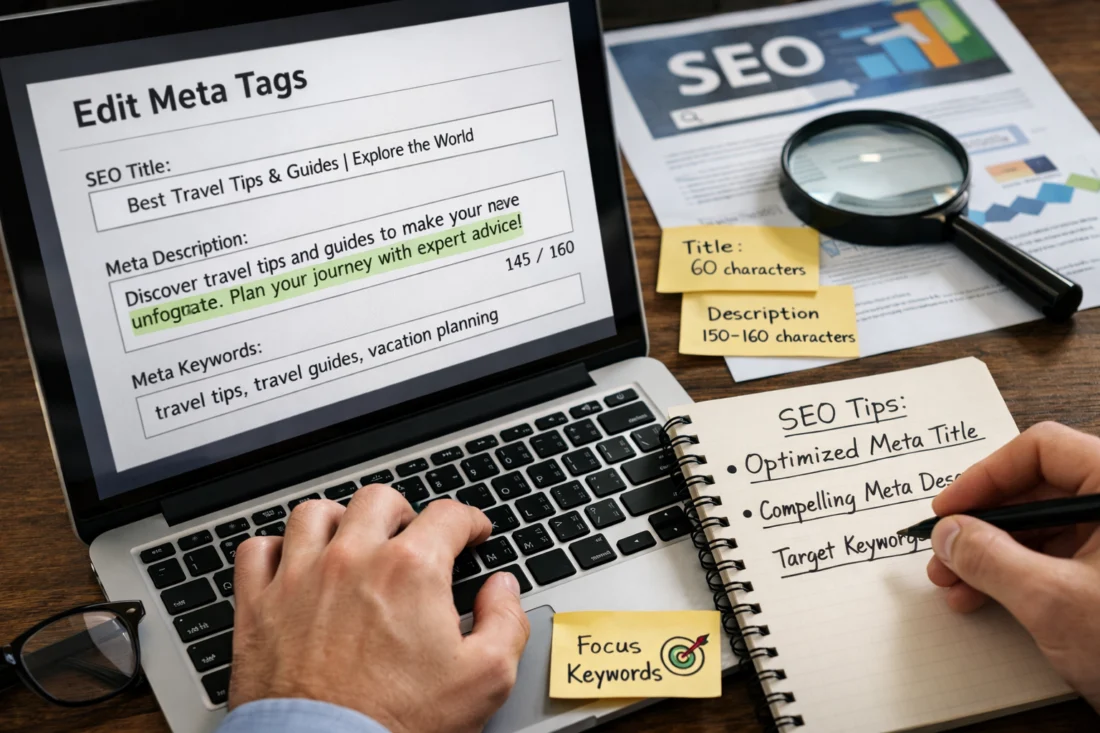
In 2026, the recommended length for a meta description is between 150-160 characters. This ensures that the entire description is displayed in search results, providing users with a complete and enticing summary of the page’s content.
Meta tags indirectly influence SEO rankings by impacting click-through rates and how search engines perceive the relevance of a page. While they aren’t a direct ranking factor, well-crafted meta tags can enhance user engagement and visibility, ultimately supporting better rankings.
Using the same meta tags across multiple pages is not recommended, as it can lead to confusion for search engines and reduce the effectiveness of your SEO efforts. Each page should have unique meta tags that accurately reflect its content.
Meta tags should be updated regularly, especially when significant changes are made to page content or if performance metrics indicate a decline in engagement. Regular updates ensure that your meta tags remain relevant and effective in attracting users.
Beyond meta tags, other SEO techniques such as “influencer marketing for SEO“, “content creation mastery“, and “advanced SEO strategies” can enhance your site’s visibility and engagement. These approaches complement meta tag optimization and contribute to a holistic SEO strategy.
Elevate Your SEO Game
MAKE YOUR WEBSITE WORK FOR YOU.
Maximize your search visibility with expertly crafted meta tags and tailored SEO strategies. Our custom web design and optimization services ensure your site attracts more visitors and converts them into customers.
29+ Years of Experience Personalized Service Satisfaction Guaranteed
Conclusion
In conclusion, mastering the art of crafting effective meta tags is vital for increasing your website's visibility and fostering user engagement. By prioritizing clarity, relevance, and user intent, you can develop meta tags that enhance your broader SEO strategy. Regular evaluation and updates are key to maintaining a competitive edge in the constantly changing digital landscape. It might be beneficial to review your current meta tags or seek advice from an SEO expert to ensure your approach aligns with the latest standards. For a deeper dive into the nuances of SEO, consider examining our resources on visual design's influence on search rankings and voice search optimization.